The UK garment printing industry is changing fast. I see this shift every day through my work at Wise DTF Prints. Brands want speed. Creators want freedom. Customers want unique clothing. The future of custom apparel printing in the UK looks strong. It is digital. It is on demand. It is personal. In this article, I will share what I see from inside the industry. I will explain what is growing, what is fading, and where smart businesses should focus next.
The Rise of Digital Textile Printing Growth in the UK
Traditional screen printing still has value. However, digital textile printing growth now leads the market. Printers use smart machines. They print fast. They waste less ink.
Small brands love digital methods because they do not need large minimum orders. A startup can print 10 shirts. A brand can test a design without risk.
This shift supports:
- Short-run clothing production
- Faster turnaround times
- Lower setup costs
- Easy design changes
As a result, more creators enter the custom clothing market. The barrier is lower than ever.
Why Personalised Apparel Demand Keeps Growing
People no longer want basic high street clothing. They want identity. They want clothing that shows who they are.
Personalised apparel demand grows because:
- Social media pushes self-expression
- Influencers launch small brands
- Events need custom merch
- Businesses want branded uniforms
Fashion personalisation trends now shape buying behaviour. Customers expect choice. They expect fast delivery. They expect quality prints that last. When I speak to small business clothing brands, they all say the same thing. They need flexibility and quality. That is exactly why modern print methods win.
On-Demand Garment Printing Is Reshaping Production
On-demand garment printing changes how brands manage stock. In the past, brands ordered 500 units and hoped they would sell. Now they print only what they need.
This model reduces:
- Storage costs
- Dead stock
- Waste
- Financial risk
Print-on-demand fashion businesses in the UK are growing because e-commerce platforms make selling easier. A brand can launch today and print tomorrow. E-commerce apparel growth also supports this system. Customers order online. The printer fulfils the order. The brand focuses on marketing.
That is the future model. Lean. Fast. Smart.
Direct-to-Film Printing Adoption Across the UK
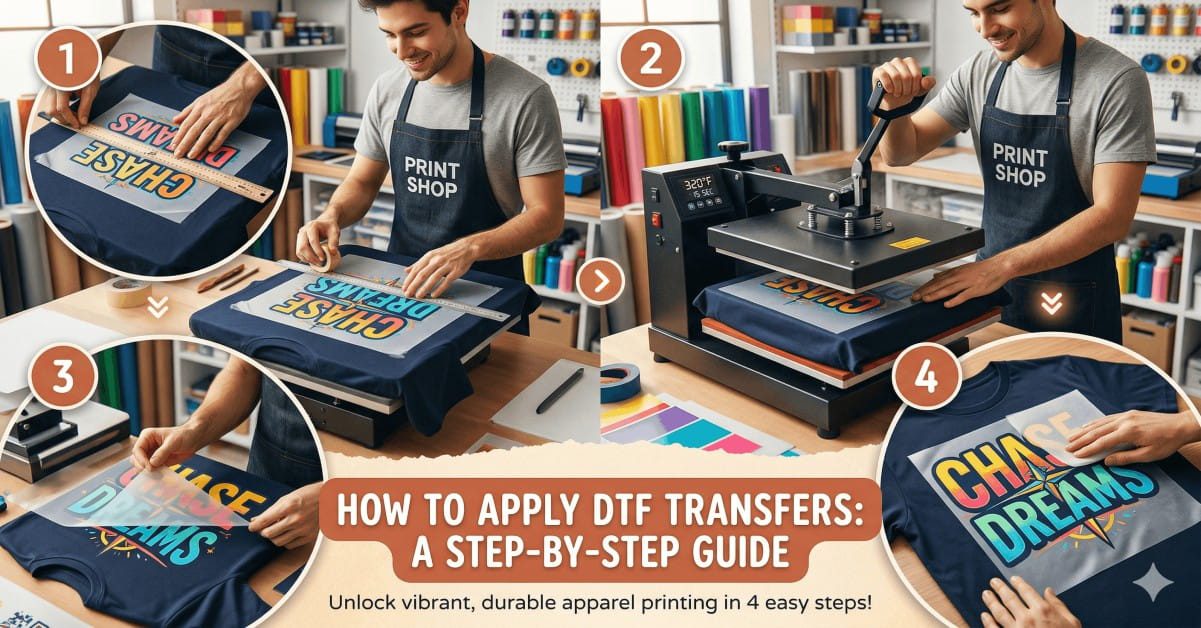
Direct-to-film printing adoption grows faster than any other method right now. I chose to focus heavily on DTF because it solves many common issues.
DTF works on:
- Cotton
- Polyester
- Blends
- Dark fabrics
- Light fabrics
It gives strong colours. It stretches well. It lasts after many washes. For brands, this means consistency. For printers, this means efficiency.
At Wise DTF Prints, I supply ready-to-press transfers that help brands scale without buying expensive machines. Many UK startups use options like our A4 DTF transfer sheets and custom gang sheets to test designs first. If you want to explore all the options, you can visit our main collection at the DTF print shop.
Sustainable Apparel Printing Will Define the Next Decade
Sustainable apparel printing is no longer a trend. It is an expectation.
Customers now ask:
- Where is this made?
- How much waste does this create?
- Is this ethical?
On-demand printing reduces overproduction. Digital printing reduces water use compared to older dye methods. Short-run clothing production helps brands avoid landfill waste. That alone changes the industry’s impact. The UK market responds strongly to eco awareness. Brands that ignore this will struggle.
The Role of E-commerce Apparel Growth
E-commerce apparel growth drives the entire custom merch industry expansion.
Before, you needed a shop. Now, you need:
- A website
- Social media
- A print partner
Platforms like Shopify and Etsy allow instant selling. Once a customer orders, the printer produces and ships the order. This link between e-commerce and on-demand garment printing powers growth. From my experience, many UK sellers start small. They order small batches. Then they move to bulk.
For higher volume production, businesses often switch to larger transfer rolls. Products like our 50-metre DTF transfer roll or 100-metre industrial roll help scale efficiently.
Small Business Clothing Brands Are Driving Innovation
Large brands move slowly. Small business clothing brands move fast. They test bold graphics. They follow TikTok trends. They launch limited drops. Because digital textile printing offers greater flexibility, these brands succeed without heavy investment. Trends in the custom clothing market show that niche brands grow faster than mass brands. People trust smaller labels. They feel closer to them. That trust drives repeat sales.
Custom Merch Industry Expansion Beyond Fashion
Custom apparel no longer focuses only on fashion. It expands into:
- Corporate uniforms
- School leavers hoodies
- Gym wear
- Event merchandise
- Sports clubs
The expansion of the custom merch industry spreads across sectors. UK businesses now use printed apparel as marketing tools. It builds brand visibility. It creates loyalty. DTF printing supports this growth because it handles complex logos and bright colours.
Technology Will Continue to Shape the Future
The future of custom apparel printing depends on smart technology.
We already see:
- Faster RIP software
- Better colour accuracy
- Improved transfer films
- More durable inks
Soon, automation will further increase production speed. AI design tools will help customers create artwork quickly. However, quality control and print expertise will still matter. Machines can print. Experience ensures quality.
How Brands Can Prepare for the Future
If you run a clothing brand in the UK, focus on these steps:
- Embrace on-demand garment printing.
- Choose flexible printing partners.
- Prioritise sustainable apparel printing methods.
- Build strong ecommerce systems.
- Test small batches before scaling.
Avoid large stock risks. Focus on design and marketing. If you are starting, try smaller formats like A3 DTF transfer sheets before moving to bulk rolls. For wholesale needs, you can review our wholesale DTF transfer options.
Fashion Personalisation Trends Will Lead Consumer Behaviour
Younger buyers expect custom options. They want:
- Name prints
- Limited runs
- Unique graphics
- Drop culture releases
This demand shapes the future of custom apparel printing. Brands that offer personal choice will win. Print-on-demand fashion sellers in the UK already use this model. They offer design variations. They print per order. That flexibility defines modern apparel.
Challenges in the UK Garment Printing Industry
Growth brings competition. Many new printers enter the market. However, not all focus on quality.
Common challenges include:
- Poor transfer adhesion
- Low wash durability
- Slow turnaround times
- Inconsistent colour output
That is why expertise matters. I test films. I test the press settings. I refine processes. Quality builds reputation. Reputation builds long-term growth.
What I See for the Next Five Years
Based on current custom clothing market trends, I expect:
- Stronger digital textile printing growth
- Wider direct-to-film printing adoption
- Higher personalised apparel demand
- Faster ecommerce apparel growth
- Greater focus on sustainable apparel printing
Short-run clothing production will become standard practice. Bulk production will be reduced except for proven designs. The UK garment printing industry will favour speed, flexibility, and low waste.
Final Thoughts from Shumail Ahmed
I work in this industry every day. I speak with startups. I supply established brands. I see what works. The future of custom apparel printing in the UK is bright. It supports creativity. It supports small business growth. It supports sustainable methods. However, success depends on smart decisions. Choose the right printing method. Choose reliable partners. Stay flexible.
Read more: Top DTF Design Ideas for 2026 UK Graduation Shirts.
Frequently Asked Questions
Will DTF printing replace screen printing in the UK?
DTF will not fully replace screen printing. Both methods still have value. Screen printing works well for very large orders with simple designs. However, many new brands choose DTF. It allows small orders and quick design changes. It also costs less to start. That is why more UK startups now prefer DTF.
Is on-demand garment printing good for small UK clothing brands?
Yes, it can work very well. You print only when a customer places an order. You do not need to buy large stocks in advance. This lowers risk and saves money. Many small clothing brands in the UK grow faster with this model. It helps them test designs without losing money.
How can UK brands stay strong in the future of custom apparel printing?
Brands should focus on quality, speed, and a clear brand style. Use strong printing methods like DTF. Offer unique designs that people cannot find in shops. Also, make online shopping easy. Fast service and long-lasting prints help build trust. When customers trust your brand, they come back again.