
My name is Shumail Ahmed, and I run Wisedtfprints.com here in the UK. Every day, I work with DTF transfers for brands, shops, and small sellers. I test prints. I press garments. I hear real questions from real people.
This guide shares what I see coming next. No hype. No sales talk. Just clear facts and honest experience. If you use DTF now, or plan to start, this will help you prepare for 2026.
Why DTF Printing Keeps Growing in the UK
DTF printing continues to grow because it solves real problems. It works on cotton, polyester, blends, and dark fabrics. It stretches well. It stays strong after many washes.
Most people want prints that feel soft and last a long time. DTF delivers that when done right. In the evolving DTF printing industry, buyers now ask more thoughtful questions. They care about feel, stretch, and finish. Price still matters, but quality matters more.
Stretchability Is Now a Core Quality Standard
Stretch matters more than ever. Customers wear hoodies, gym wear, and fitted tees. A print that cracks ruins the garment.
In 2026, stretch will not be a bonus. It will be a basic requirement.
What improves stretch in DTF transfers
From my daily testing, stretch depends on:
- Correct ink balance
- Even powder coverage
- Proper curing heat
- Press pressure control
Advanced DTF transfer methods focus on all four points. When these align, prints move with the fabric. That stretch also supports long-term wear.
Durability Now Links Directly With Stretch
Many people think that stretch and strength fight each other. That is not true. In DTF, better stretch often means better hold. A flexible print bends instead of cracking. That reduces edge lift and peeling. This link between stretchability and durability now shapes modern apparel printing techniques. I see fewer returns when prints stretch cleanly. Customers trust the product more.
Latest DTF Printing Trends Shaping 2026
Let us look at what is changing right now. These are not guesses.
These come from supplier shifts and print test results.
Smarter film coatings
Film-makers now adjust coatings for smoother release. This helps prints stay flat after pressing. It also improves stretch recovery.
Softer adhesive powders
New powders melt at lower temperatures. They bond better with fibres. This change reduces stiffness and improves wash life.
Cleaner white ink control
White ink drives durability. Too much makes the prints thick. Too little weakens the hold. DTF printing advancements now focus on balanced white layers.
Next-Generation DTF Printing Focuses on Comfort
Comfort now drives buying choices. Heavy prints feel cheap to many buyers. They want prints that feel part of the shirt.
Next-generation DTF printing aims to:
- Reduce film feel
- Improve airflow
- Keep colour sharp
I test comfort by wearing samples all day. If I feel the print after hours, it fails my standard.
Upcoming DTF Printing Technology to Watch
Some changes are already entering the market. Others will scale in 2026.
Better curing systems
New curing tunnels use steady heat flow. This avoids powder burn and weak bonds.
Smarter RIP settings
Software now adjusts ink flow by fabric type. This helps stretch and colour stay balanced.
Faster press recovery
Heat presses now hold steady heat between jobs. This avoids under-pressing issues. These upgrades support stable results at higher volume.
Innovations in DTF Printing for Small Brands
Small brands benefit the most from these shifts. Lower setup waste. More stable prints. Less trial and error.
Innovations in DTF printing now help sellers:
- Test designs fast
- Run small batches
- Maintain quality control
This matters for online sellers and market traders.
Why Gang Sheets Will Grow Even More
Gang sheets save time and cost. In 2026, more sellers will rely on them. I already see rising demand for custom DTF gang sheets.
They help brands:
- Mix designs
- Reduce film waste
- Improve press flow
This fits well with busy production schedules.
Large Format and Roll Printing Gains Speed
Larger orders push demand for roll formats.
Roll printing supports:
- Faster cutting
- Batch pressing
- Stable alignment
Products like DTF transfer rolls work best for growing shops. They reduce downtime and improve output control.
Quality Control Will Matter More Than Speed
Fast printing means nothing if the prints fail later. In 2026, quality checks will become standard.
Smart shops already test:
- Stretch pull
- Wash cycles
- Heat tolerance
I always test samples before release. That habit saves refunds and stress.
Buyers Now Understand Print Quality Better
Customers ask better questions today.
They ask:
- Will it crack?
- Will it fade?
- How long will it last?
Clear answers build trust. Educational content helps buyers choose wisely. That is why I share knowledge openly on Wisedtfprints.com.
Sustainability Will Influence DTF Choices
Eco concerns continue to grow. Inks with lower waste matter. Films with clean release matter. Sustainability does not mean weak prints. It means more innovative material use. The evolving DTF printing industry now balances output with care.
How Stretch and Durability Help Your Brand
Strong prints reduce returns. Happy buyers share feedback. That builds brand value. Durable prints also support repeat orders. Customers trust what lasts. Stretch helps garments feel natural. That improves wear comfort. Together, stretch and durability shape customer loyalty.
DTF Printing Advancements for Custom Work
Custom orders need stable results. Names, logos, and fine detail must stay sharp.
DTF printing advancements now support:
- Thin lines
- Small text
- High colour hold
This helps personalised apparel sellers grow.
Choosing the Right Transfers in 2026
Not all transfers perform the same.
I suggest choosing based on:
- Fabric type
- Wear use
- Wash frequency
For example, A4 sheets work well for small runs, such as A4 DTF transfer sheets. Large jobs work better with rolls or gang sheets.
Pressing Still Matters More Than People Think
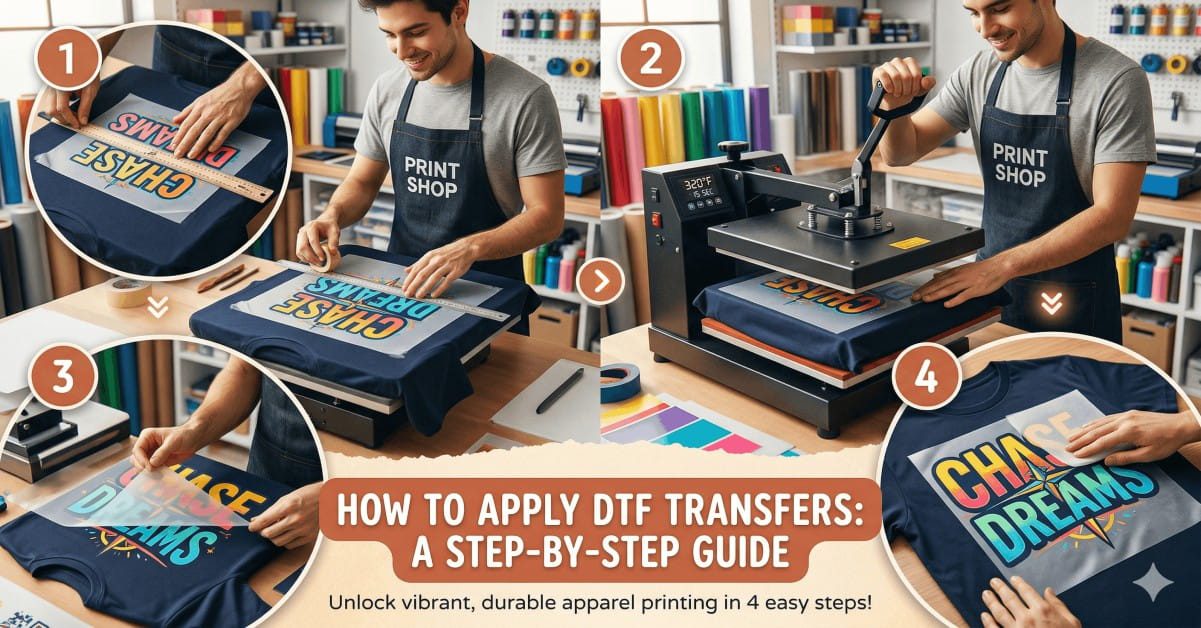
Even the best transfer fails with bad pressing. In 2026, education around pressing issues will improve.
Good pressing needs:
- Correct heat
- Even pressure
- Proper peel timing
I always guide customers on this. It protects both sides.
Final Thoughts From Real Experience
DTF printing continues to improve as users demand better results. Stretch and durability now move together. You cannot ignore either. The latest DTF printing trends show a clear path. Comfort, strength, and trust matter most. Upcoming DTF printing technology will support growth. But skill and care will still decide results.
If you want reliable DTF transfers across the UK, visit the Shop or explore options on Wise DTF Prints. I share what I use myself. That is how I build trust, one print at a time. If you read this thoroughly, you now know what to watch in 2026.
Read more: DTF Transfers Stretchability Equals Durability
Frequently Asked Questions
Do DTF prints stretch without cracking?
Yes, DTF prints can stretch well when they are made the right way. Good ink, clean powder, and the right heat help the print move with the fabric. When the print moves easily, it does not crack during wear.
How does stretching help DTF prints last longer?
Stretch helps because the print bends with the fabric. When a shirt moves, the print moves too. This stops cracks, lifting, and peeling over time.
Will future DTF printing focus on comfort or strength?
Future DTF printing will focus on both comfort and strength. New materials help prints feel soft on the shirt. At the same time, they help prints stay strong after many washes.
How can I keep DTF prints strong after washing?
Wash the shirt inside out using cold water. Do not use intense heat in the dryer. These steps help the print keep its stretch and last longer.