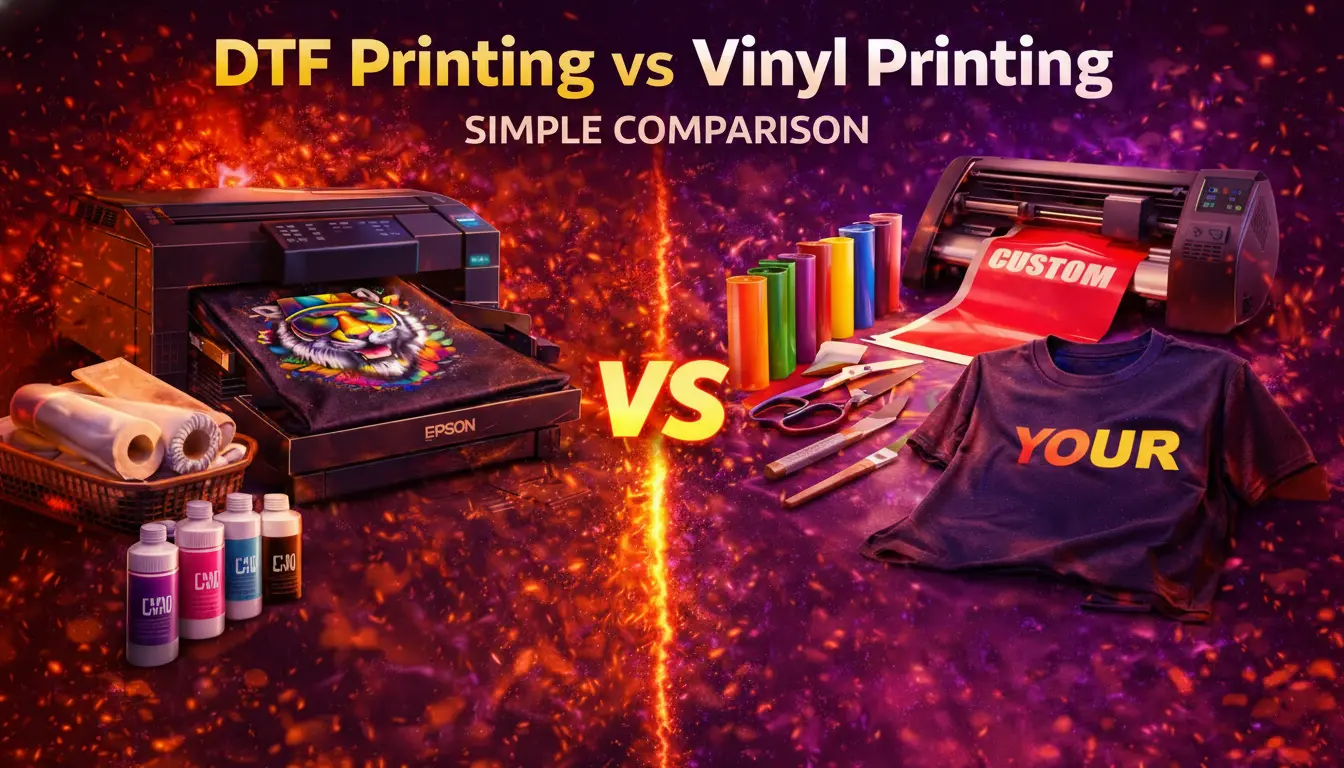
DTF Printing vs Vinyl Printing – Simple Comparison
If you print T-shirts or plan to start, you have likely asked this question: DTF printing vs vinyl printing –

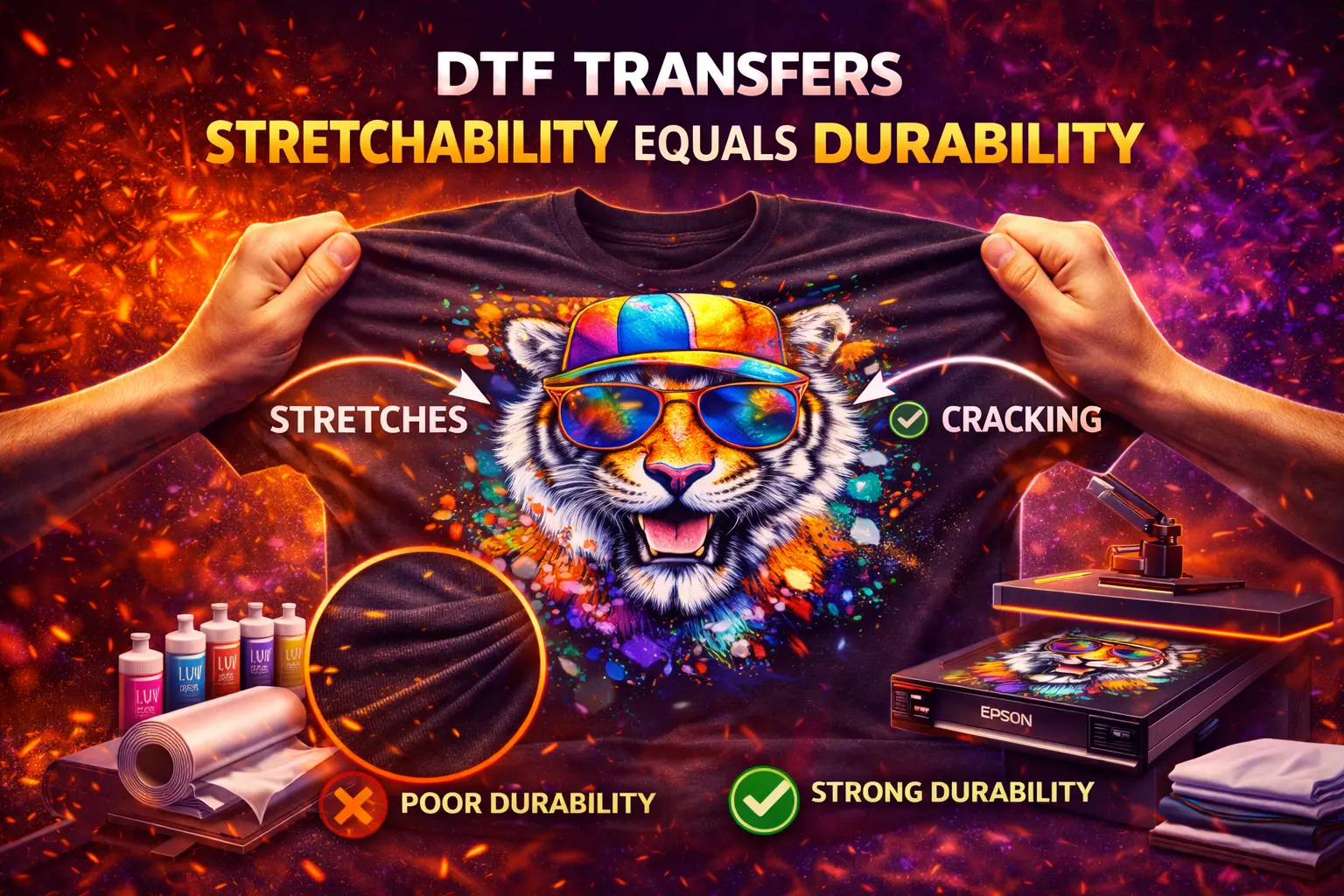
When people ask me about DTF printing, one question comes up again and again. “Do DTF transfers stretch without breaking?” It is a fair question. Clothes move, fabrics stretch. Prints must keep up. From my experience at wisedtfprints.com, I can say this clearly: Good stretch in DTF transfers leads to real durability.
In this guide, I will explain why stretch matters, how it works, and what it means for real-world wear. I will keep things simple, honest, and valuable.
Most clothes do not stay still. T-shirts pull. Hoodies bend, sportswear twists. If a print cannot stretch, it fails fast. It cracks. It peels. It looks old after a few washes. This is where stretchable DTF transfers stand out. They move with the fabric rather than fight it. From daily wear to hard use, stretch plays a key role in how long a print lasts.
Some people think stretch means weak. In DTF printing, the opposite is true. When a print stretches evenly, it avoids stress points. Less stress means fewer cracks. This balance creates durable heat transfers that stay intact even after repeated use.
In simple terms:
Stretch does not happen by luck. It comes from the right mix of materials and process.
Key factors include:
When these steps work together, you get elastic DTF printing that feels natural on fabric. This is how we build flexible DTF prints for our customers across the UK.
Washing causes stress. Water, heat, and movement all test a print. A stiff print resists movement. That resistance causes damage over time. Wash-resistant DTF transfers stretch slightly during wash cycles. They return to shape after drying. This keeps the surface smooth and clean, even after many washes.
No one likes hard print. Comfort matters, especially for daily wear. Soft-feel DTF transfers bend and stretch with the garment. They do not sit like a plastic patch. From my own testing, softer prints last longer because users treat them like part of the fabric rather than a fragile add-on.
Cracks form when prints cannot handle movement. This often shows at folds, seams, and stress points. Crack-resistant DTF prints handle bends without damage. They flex, then return to shape.
This makes them ideal for:
Sports clothing demands more from prints. Running, lifting, and stretching all put pressure on the designs. DTF prints for activewear work because they combine:
This is why gyms, clubs, and fitness brands trust DTF more each year.
At Wise DTF Prints, we see repeat customers for one reason. Their prints last. Long-lasting DTF prints show fewer returns and complaints. Customers tell us their shirts still look good months later. That feedback matters more than any test result.
Not all fabrics behave the same way. DTF adapts well across many types.
Best results come from:
High-stretch heat transfers work best when the fabric also stretches evenly.
Even the best transfer fails if pressed incorrectly.
To keep stretch and strength:
This protects the print’s flexible layer and maintains strong bonding.
Different jobs need different formats. Large runs need rolls. Small jobs need sheets.
For bulk work, many customers choose our custom metre DTF transfer rolls. They allow smooth production and even stretch.
For short runs, A3 sheets also work well, like these A3 DTF transfer sheets. Each option supports stretch when used correctly.
Low-cost transfers often skip quality checks. They may look fine at first.
After a few wears, issues appear:
Professional-grade film and ink make the difference. This is why we focus on quality at every step.
Good stretch has limits. No print should stretch beyond fabric limits. The goal is controlled movement, not rubber-like pull. When prints stretch within the fabric range, they stay strong and clean.
Before selling any product, I test it.
Only transfers that pass these checks reach our shop. You can see our full range in the Wise DTF Prints shop.
Let’s clear a few things up.
A good print should age well. Minor signs of wear are typical. Stretch helps prints fade evenly, not break unevenly. This keeps garments looking neat longer. That is real durability.
Stretch matters most for:
In these cases, flexible prints protect both look and feel.
I chose DTF because it works in real life. Not just in tests. Customers want prints that last. Stretch helps make that happen. That is why I stand behind every transfer we sell at Wise DTF Prints.
Stretch and durability are not opposites. They support each other. When a DTF transfer stretches the right way, it stays strong. It moves. It holds. It lasts. If you want prints that handle daily wear with ease, choose DTF transfers made to stretch and stay firm. That balance makes all the difference.
Read more: How to Press DTF Transfers on Any Fabric
No, they do not. When made and pressed correctly, stretchable DTF transfers keep their strength. The stretch distributes pressure across the print rather than concentrating it in a single spot. This reduces cracks and peeling. In real use, prints with controlled stretch often last longer than stiff prints.
Yes, flexible DTF prints handle regular washing well. Their ability to move with the fabric helps them resist damage during wash cycles. To keep results consistent, wash garments inside out and avoid very high heat. This supports wash resistance and keeps the print looking clean.
DTF prints work well for activewear because they stretch with the garment during movement. They bend, pull, and return to shape without cracking. This makes them a strong option for sportswear, fitted tops, and everyday clothing that sees frequent use.

If you print T-shirts or plan to start, you have likely asked this question: DTF printing vs vinyl printing –
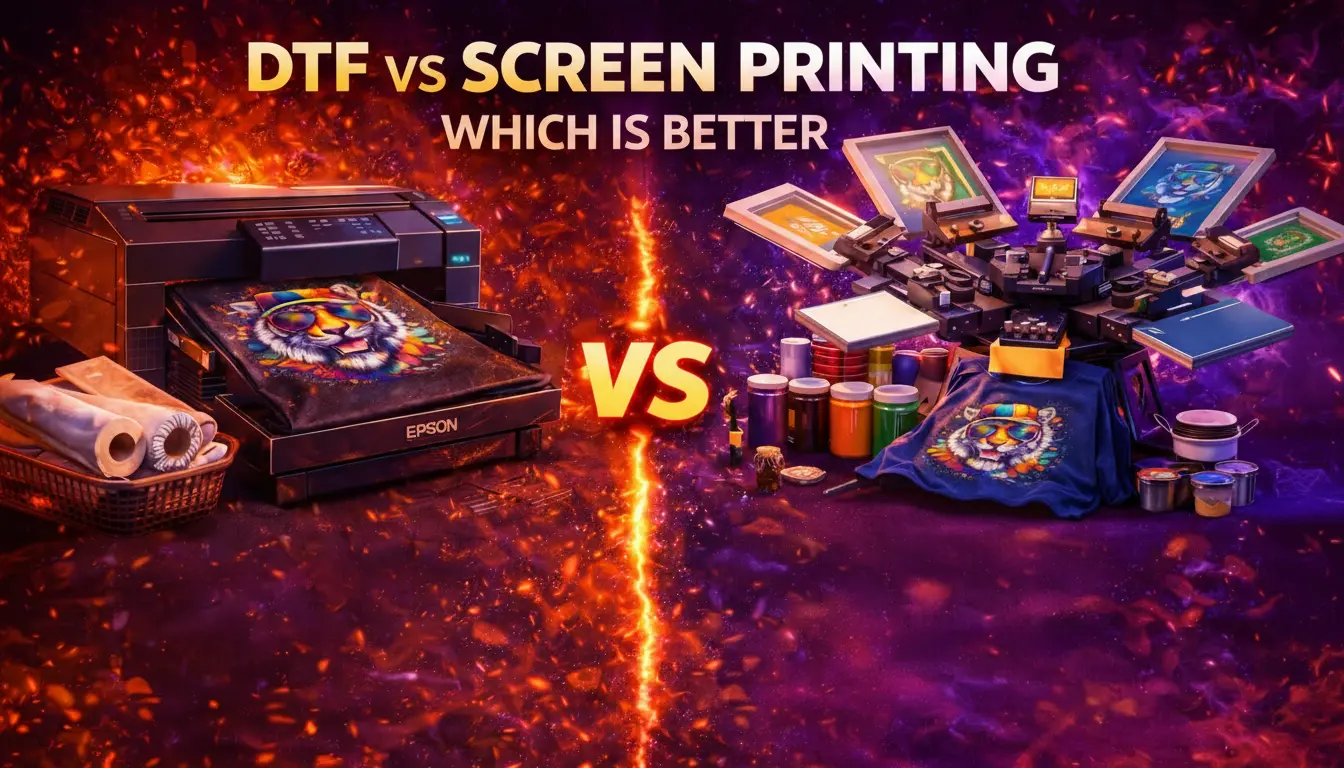
If you plan to print t-shirts in the UK, you will face one big question. DTF vs screen printing –
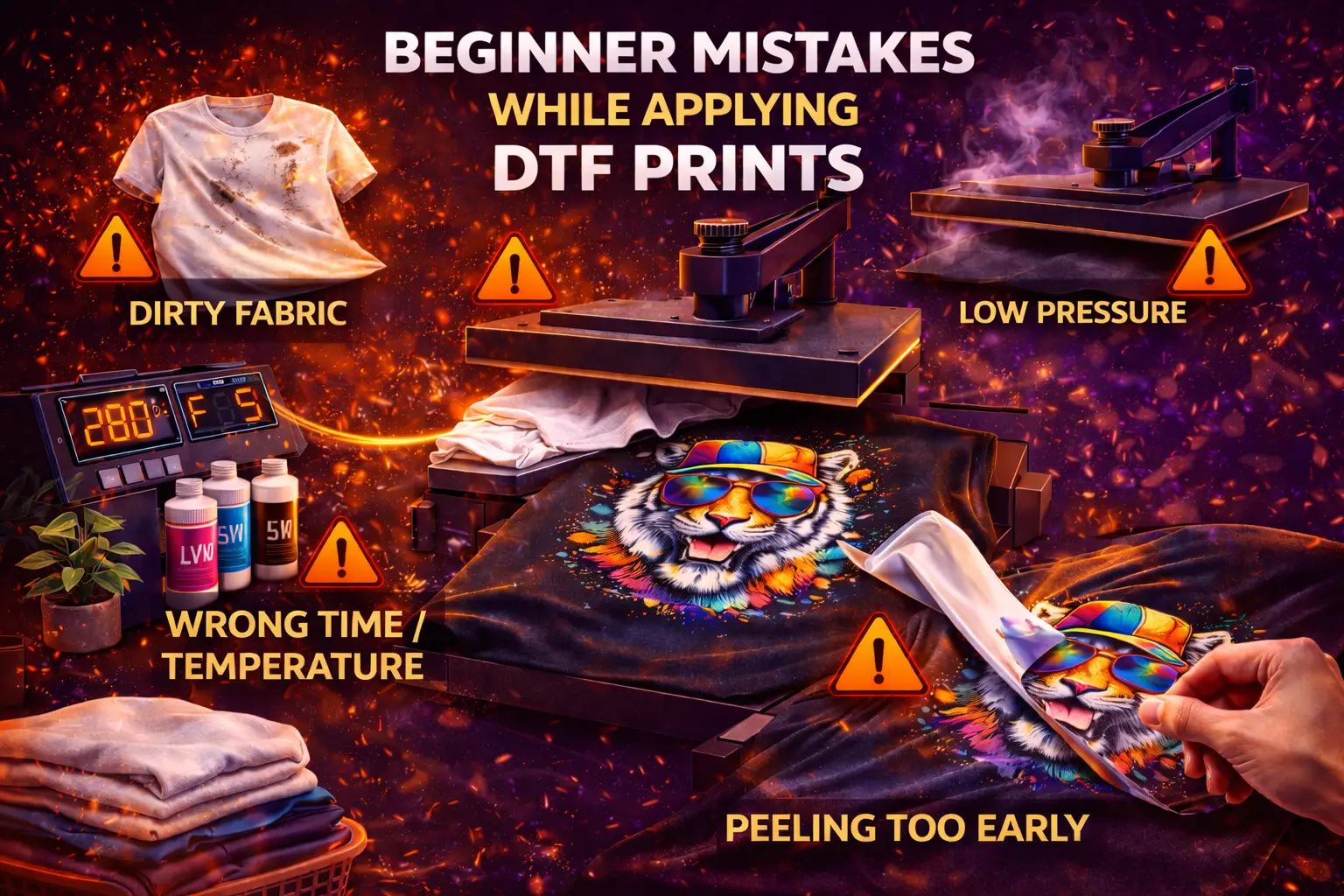
If you have just started using DTF transfers, you may feel excited after your first press. Then you wash the
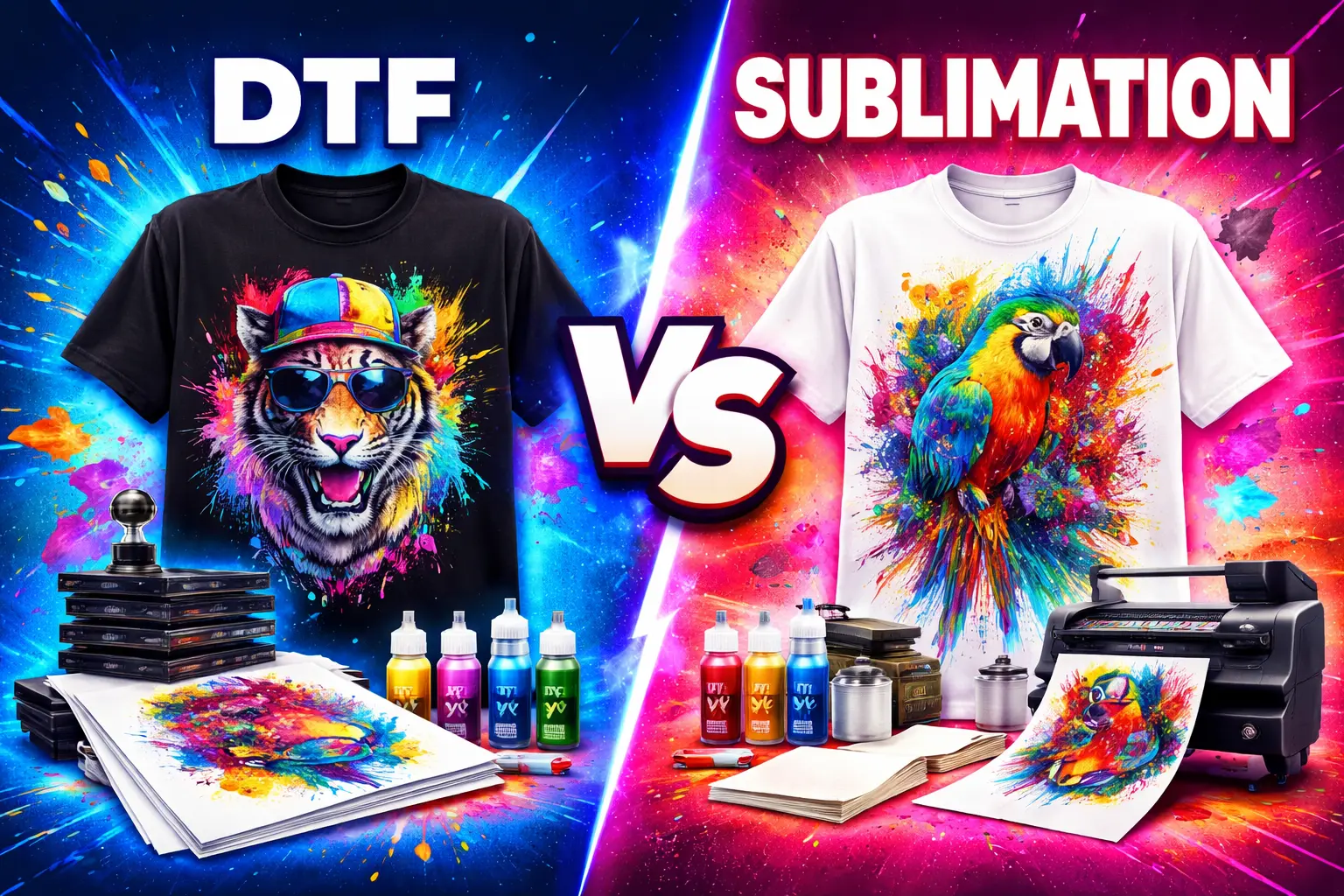
Hi, I’m Shumail Ahmed, and I run Wise DTF Prints here in the UK. I work with custom prints every
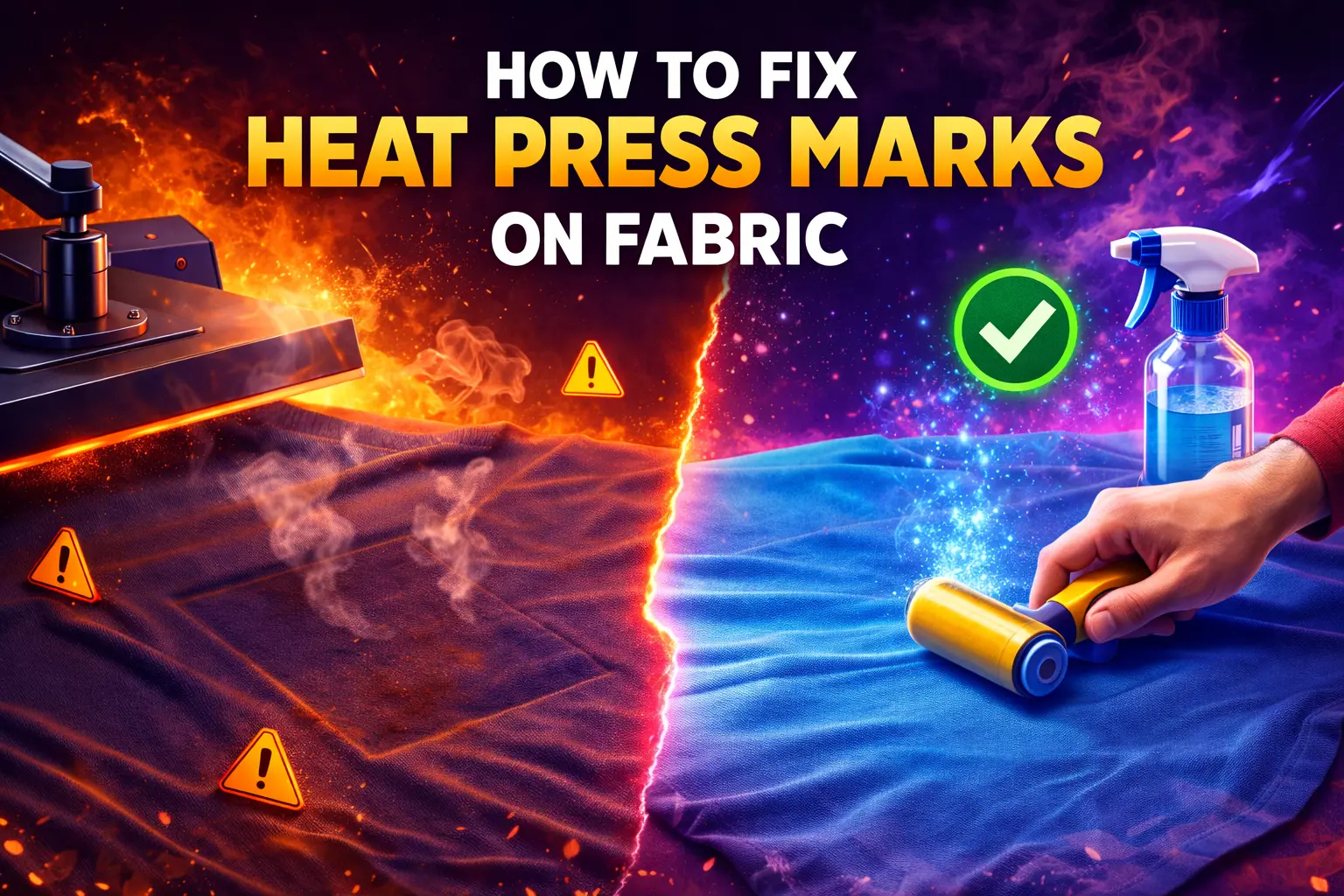
If you work with heat presses long enough, this problem shows up sooner or later. You lift the press. The
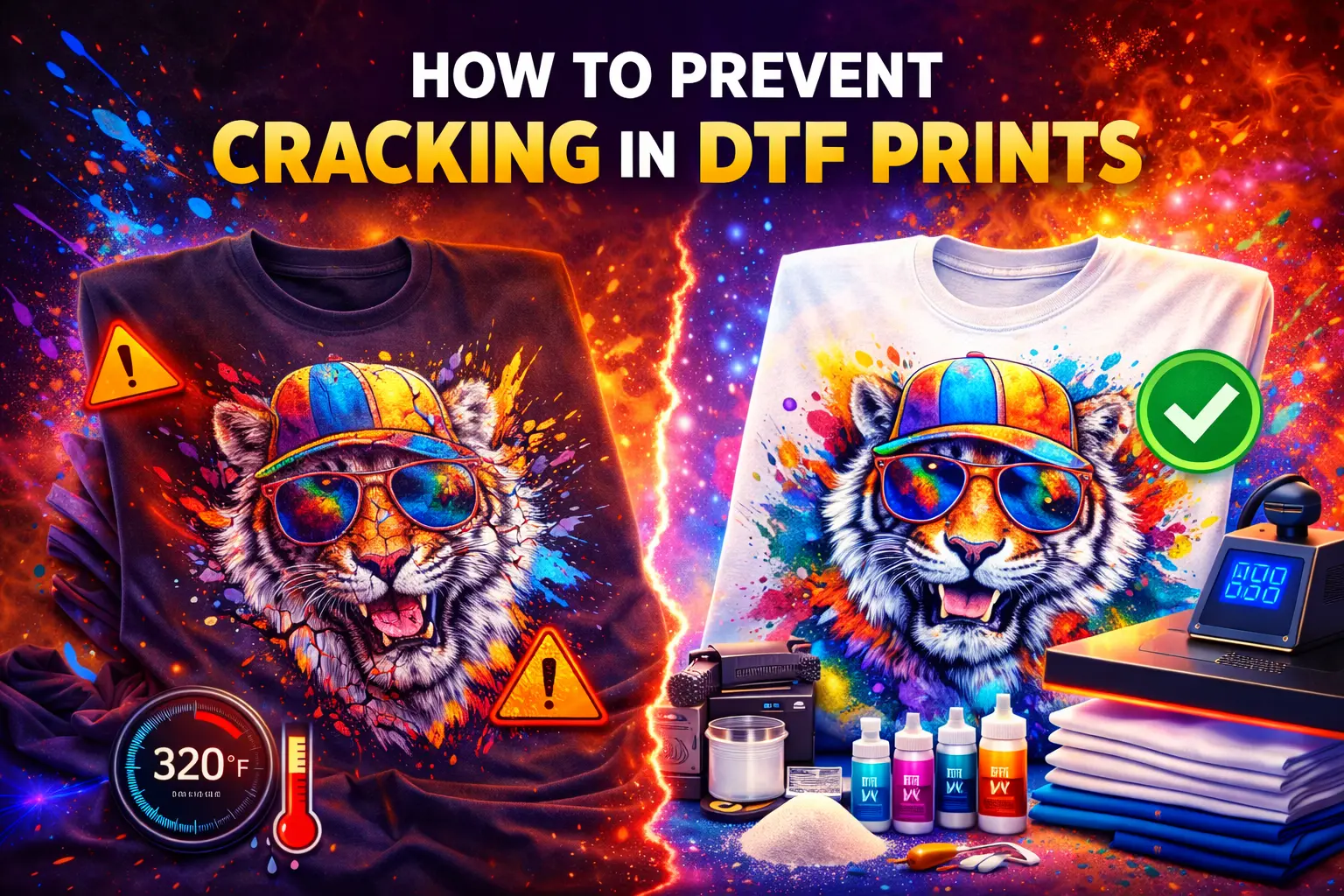
Cracking is one of the most common issues people face with DTF prints. I see it often when customers first