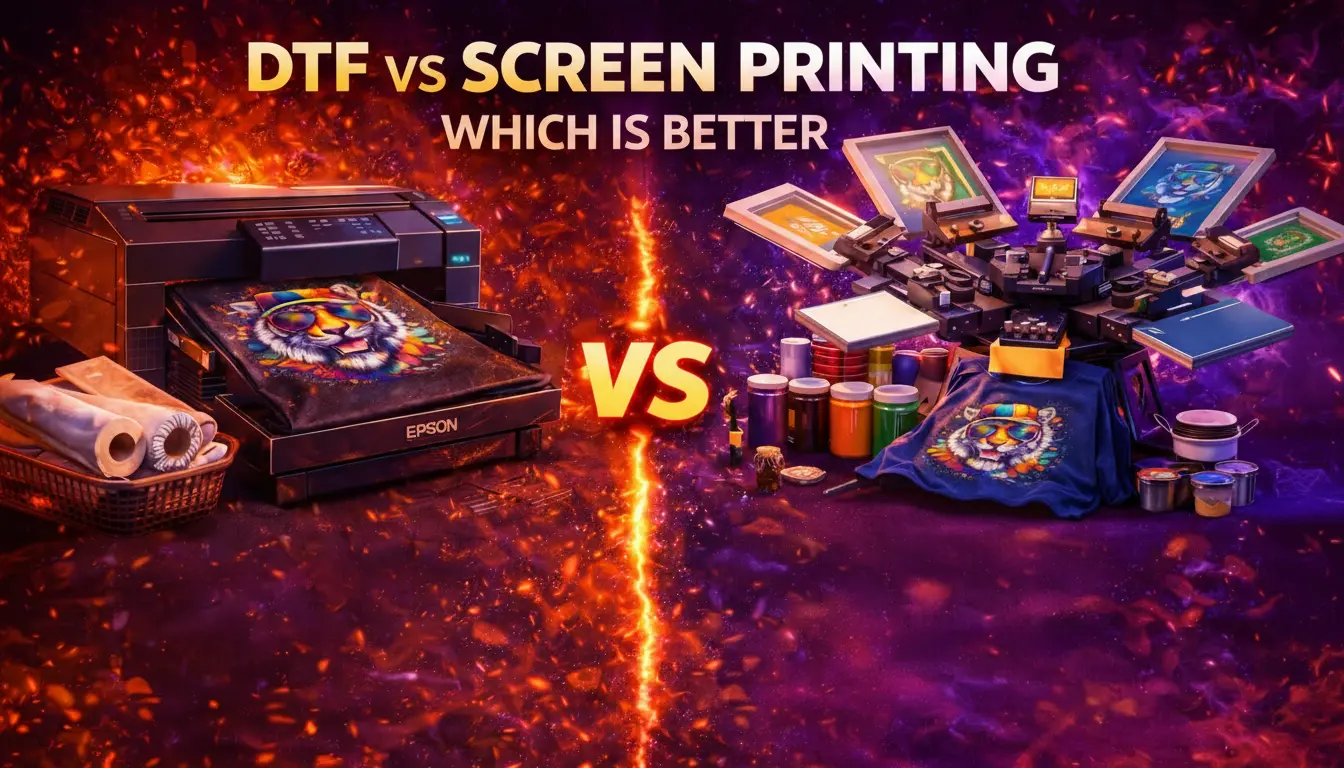
If you plan to print custom t-shirts, you will face one key question: DTF vs screen printing – which is better? I get this question almost every day from my customers in the UK. I’m Shumail Ahmed, and I run Wisedtfprints.com. I work with both methods, and I’ve tested them on real orders. So this guide is not a theory. It is based on what actually works in day-to-day printing. Both methods have strong points. Screen printing has been around for years. DTF is newer and growing fast. Each suits different needs, budgets, and designs.
In this guide, I will break down the direct-to-film vs screen printing comparison in a simple way. You will learn how each method works, where it performs well, and where it struggles. By the end, you will know the best printing method for t-shirts based on your situation, not guesswork.
What Is DTF Printing?
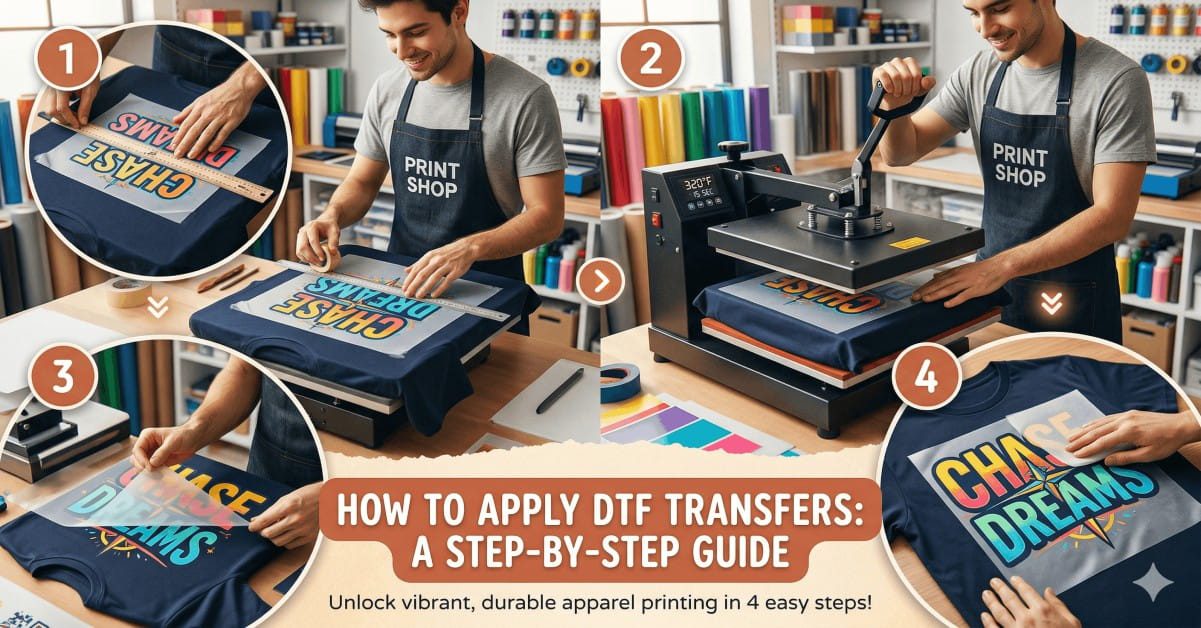
DTF stands for direct-to-film printing. It is a digital process. You print your design onto a special film, apply powder adhesive, and then press it onto fabric. I use this method daily for custom orders. It works well for both small and large jobs.
Key DTF Printing Benefits
- Works on cotton, polyester, blends, and more
- No colour limits in design
- Sharp details and smooth gradients
- No setup cost for small orders
- Fast turnaround time
If you want ready-to-use transfers, you can explore options like A4 custom sheets. DTF is part of modern vs traditional printing. It saves time and gives flexibility.
What Is Screen Printing?
Screen printing is a traditional method. It uses mesh screens and ink layers to print designs onto fabric. Each colour needs its own screen. That means more setup time, but strong results for bulk orders.
Screen Printing Advantages
- Very durable prints
- Cost-effective for large orders
- Strong colour output on simple designs
- Trusted method for decades
This method fits well in custom garment decoration methods used for bulk production.
DTF vs Screen Printing – Quick Comparison Table
| Feature |
DTF Printing |
Screen Printing |
| Setup Time |
Very low |
High |
| Best for |
Small & custom orders |
Bulk orders |
| Colour Range |
Unlimited |
Limited per screen |
| Fabric Types |
All fabrics |
Mostly cotton |
| Detail Quality |
High |
Medium |
| Cost (small orders) |
Low |
High |
| Cost (bulk orders) |
Medium |
Low |
| Flexibility |
Very high |
Low |
This table gives a clear garment printing methods comparison.
How Do These Methods Compare in Real Use?
Let’s go deeper into this t-shirt printing comparison.
1. Design Flexibility
DTF wins here. You can print full-colour artwork, photos, and gradients with no limits. I often get complex logos. DTF handles them easily. Screen printing struggles with multi-colour designs. Each colour adds cost and time. So, for creative designs, DTF is the better choice.
2. Order Size
This is where screen printing shines. If you need 100 or 500 shirts with the same design, screen printing becomes cheaper. But if you need 5 or 10 shirts, DTF is far more practical. This is why I guide customers based on quantity first.
3. Fabric Compatibility
DTF works on almost all fabrics. I print on cotton, polyester, hoodies, sportswear, and even tricky blends. Screen printing works best on cotton. It can struggle on some synthetic fabrics. So, in terms of custom apparel printing techniques, DTF gives more options.
4. Print Feel and Finish
Screen printing feels softer on simple designs. DTF has a slightly elevated feel, but modern films have improved a lot. Most customers cannot tell the difference unless they compare side by side.
5. Durability
Both methods are durable if done right. Screen printing lasts long due to ink penetration.DTF also lasts well if pressed correctly. I always test wash durability before sending orders.
Digital vs Traditional Printing – Which Wins?
This is a classic digital vs traditional printing debate.
- Screen printing = traditional
- DTF = digital
Digital methods like DTF offer speed and flexibility. Traditional methods offer strength in bulk. From my experience, digital printing is growing fast because customers now want quick, custom orders.
Heat Transfer vs Screen Print – What’s the Difference?
DTF is a type of heat transfer. So when people ask about heat transfer vs screen print, they are often comparing DTF with screen printing.
Key Difference
- Heat transfer (DTF): design applied using a heat press
- Screen print: ink pushed through screens
Heat transfer is faster and easier for custom work.
Apparel Printing Quality Comparison
Let’s talk about quality, which matters most.
DTF Quality
- Sharp edges
- Smooth colour blends
- Great for photos and logos
Screen Printing Quality
- Bold colours
- Clean for simple designs
- Slightly limited detail
For detailed artwork, DTF leads. For simple logos in bulk, screen printing still works well.
Real Example from My Work
A UK clothing brand came to me with a complex design. It had 8 colours and fine details. Screen printing would need 8 screens. That would raise costs. I used DTF instead. The result was sharp, clean, and cost-effective. For bulk school uniforms, I still suggest screen printing. It keeps costs low. So, there is no one answer. It depends on the job.
Printing Method Selection Guide
If you feel confused, use this simple guide.
Choose DTF If:
- You need small quantities
- Your design has many colours
- You want fast delivery
- You print on mixed fabrics
If you want ready-to-press transfers for your designs, explore our full range of custom DTF transfers for both small and bulk orders.
And if you prefer more control over your layout, you can also build your own DTF gang sheets with custom designs based on your exact needs.
Choose Screen Printing If:
- You need bulk orders
- Your design is simple
- You want a lower cost per unit
- You print mainly on cotton
Why Most Customers Now Choose DTF
In recent years, I have seen a clear shift.
Customers want:
- Fast service
- Custom designs
- Low minimum orders
DTF meets all these needs. That is why many people now see it as the best printing method for t-shirts in modern printing.
Where to Buy Quality DTF Transfers?
If you want reliable prints, quality always matters. At Wisedtfprints.com, I use tested films, strong colours, and consistent print results for every order.
You can browse our full collection of DTF transfers and printing products to find the right option for your needs.
Or, if you want to learn more about how we work and what we offer, feel free to visit the Wise dtf prints homepage for complete details.
DTF or Screen Printing – Which Is Better?
Now let’s answer the main question clearly.
DTF is better if:
- You need flexibility
- You want detailed prints
- You order small quantities
Screen printing is better if:
- You need large batches
- Your design is simple
- You want a lower cost per piece
So, the answer depends on your needs.
Conclusion
DTF vs screen printing is not about which is perfect. It is about what suits your project. From my experience, DTF gives more control, speed, and design freedom. Screen printing still works well for bulk jobs. If you run a small brand or need custom prints, DTF is often the smarter choice.
If you plan a large production run, screen printing can save money. If you are still unsure, feel free to explore options or reach out through Wisedtfprints.com. I always guide customers based on real needs, not guesswork. Your print choice should work for your design, budget, and timeline. That’s what truly matters.
Frequently Asked Questions (FAQs)
What is the main difference between DTF and screen printing?
The main difference is in the process. DTF uses heat transfer from film to fabric, while screen printing uses ink pushed through screens. DTF suits small orders and detailed designs. Screen printing is better suited to bulk orders with simple artwork.
Which is the best printing method for t-shirts?
The best method depends on your needs. DTF is ideal for custom, small batches and multi-colour designs. Screen printing is better for large quantities with simple prints. Both are strong options in modern garment printing.
Is DTF printing more durable than screen printing?
Both methods offer good durability if done correctly. Screen printing lasts a long time due to ink absorption. DTF also holds up well after many washes when applied with proper heat and pressure.
Is DTF cheaper than screen printing?
DTF is cheaper for small orders because it has no setup cost. Screen printing becomes cheaper for large orders because the cost is spread across more items. So pricing depends on quantity.
Can DTF print on all types of fabric?
Yes, DTF works on cotton, polyester, blends, and more. This makes it more flexible than screen printing, which works best on cotton fabrics.