I run Wisedtfprints.com. Every week, people ask me one simple question. What is the real difference between DTF and DTG printing? Some ask as brand owners. Some print at home. Others want custom t-shirts for events.
This guide explains everything in plain English. I use real examples from daily print work. After reading this, you will not need another page.
Why this comparison matters
Both DTF and DTG are modern apparel printing methods. Both fall under digital garment printing. Yet, they work in very different ways. If you pick the wrong method, you lose time and money. If you pick the right one, printing feels easy.
So let’s break it down step by step.
What is DTF printing?
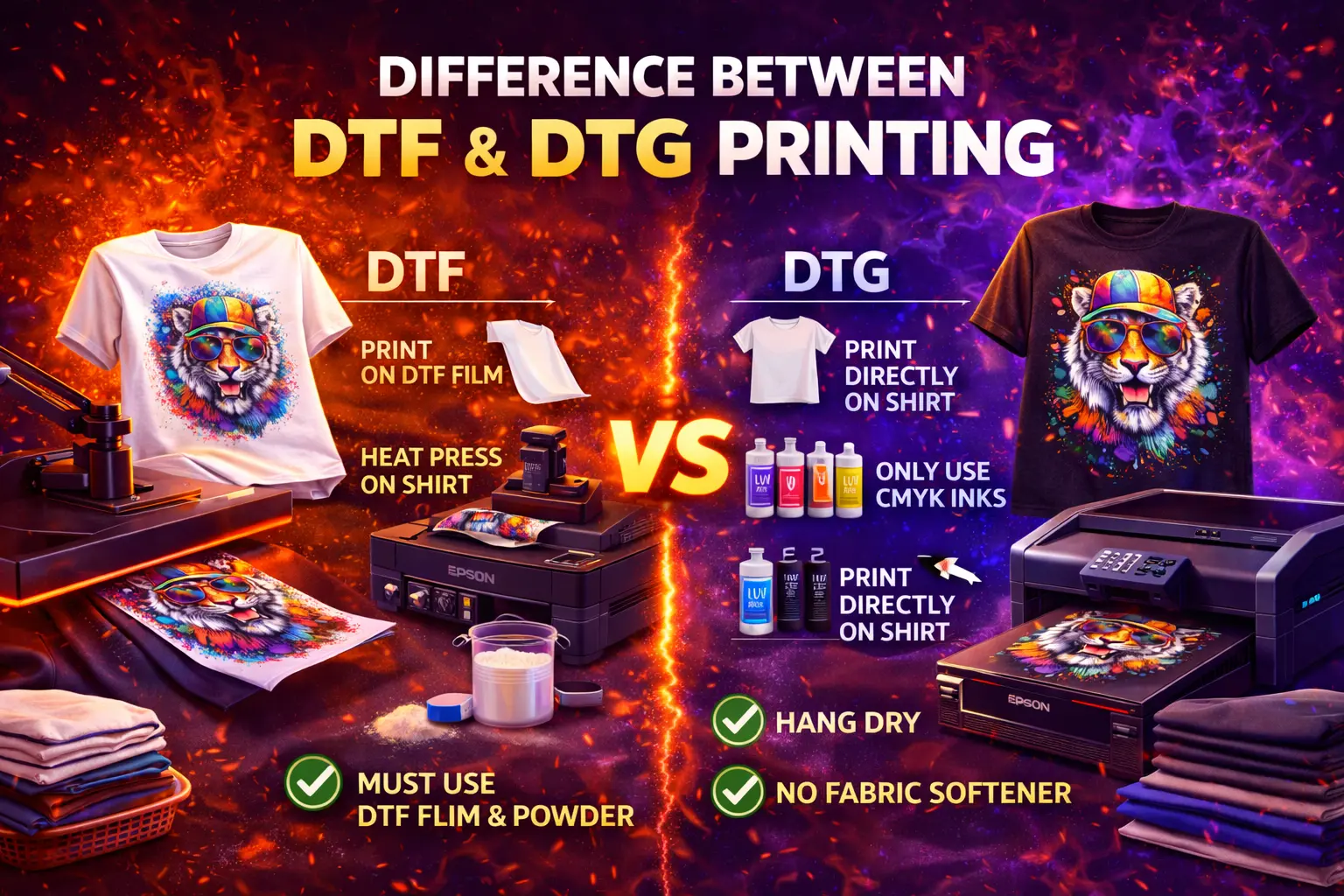
DTF means direct-to-film printing. You print a design on a special film first. Then you press it onto fabric using heat. This is the DTF transfer method in simple terms.
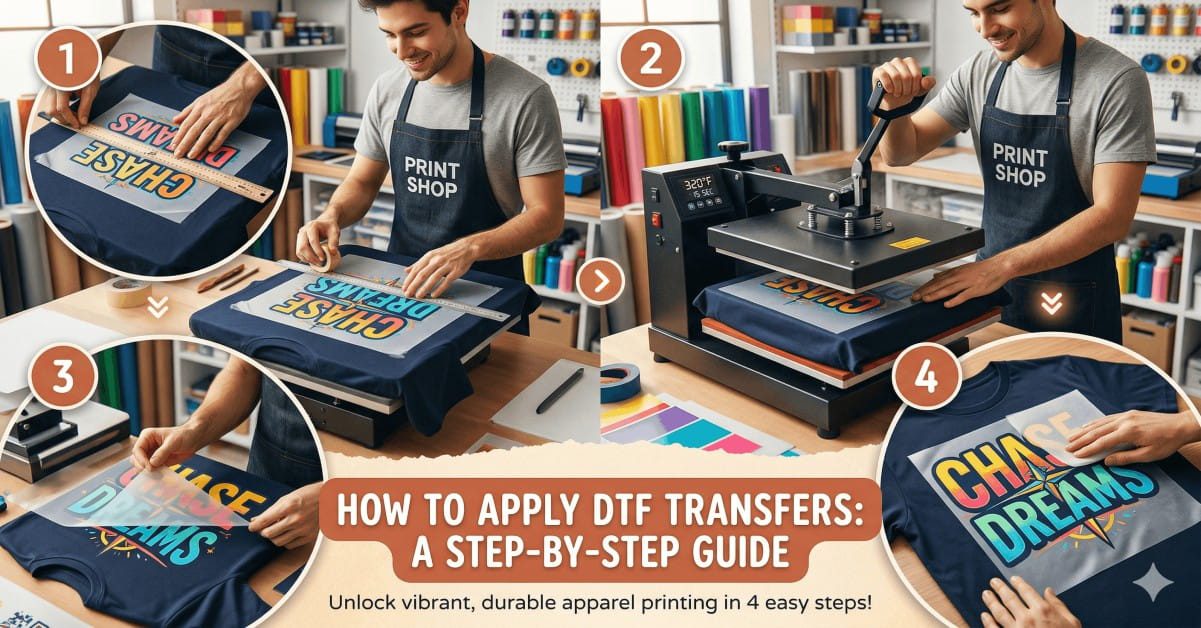
How DTF printing works
- Print the design on DTF film
- Add adhesive powder
- Cure the print with heat
- Press it on fabric
- Peel the film
The print sits on top of the fabric. It stays bright and sharp. I use this method daily for bulk orders.
What is DTG printing?
DTG means direct-to-garment printing. The printer sprays ink straight onto the fabric. This process feels like paper printing. It uses DTG inkjet printing machines.
How DTG printing works
- Pre-treat the garment
- Load it into the printer
- Spray ink directly
- Heat cure the ink
The ink sinks into the fabric. The feel stays soft.
DTF printing vs DTG printing: the core difference
The main difference is simple. DTF uses a film first. DTG prints straight on fabric. This single step changes everything. Let’s compare them clearly.
Fabric compatibility
DTF printing
DTF works on almost all fabrics.
- Cotton
- Polyester
- Blends
- Light colours
- Dark colours
This flexibility helps small brands.
DTG printing
DTG works best on cotton.
- High cotton content
- Light colours perform best
Dark garments need heavy pre-treatment.
Print durability and wash life
People always ask about washing.
DTF durability
DTF prints sit on top of fabric. They resist cracking when pressed well.
With proper care:
- Colours stay bold
- Edges stay clean
I see strong results even after many washes.
DTG durability
DTG ink absorbs into fibres. The feel stays smooth.
However:
- Colours fade faster
- Dark prints lose strength sooner
Print feel and comfort
This matters for clothing brands.
DTF print feel
DTF feels slightly raised. You can feel the print with your hand. Many brands like this bold look.
DTG print feel
DTG feels soft. The fabric stays natural. It suits lightweight shirts.
Colour strength and detail
DTF colour output
DTF prints deliver strong colours.
- Bright reds
- Deep blacks
- Solid whites
Fine lines stay clear.
DTG colour output
DTG prints look natural.
- Soft shades
- Good gradients
White ink struggles on dark fabric.
Setup time and workflow
DTF workflow
DTF saves setup time.
- No garment loading
- Print in batches
- Store transfers
This suits busy schedules.
You can order ready prints from the Shop and press them anytime.
DTG workflow
DTG needs setup for every garment.
- Pre-treatment
- Garment alignment
- One print at a time
This slows large orders.
Cost comparison
DTF cost
DTF suits small and large runs.
- Low setup cost
- Predictable pricing
Bulk printing stays affordable. You can also buy ready sheets like A4 DTF transfer sheets for fast production.
DTG cost
DTG costs rise fast.
- Ink waste
- Pre-treatment cost
- Slow output
Small orders cost less.
Large orders cost more.
Heat transfer printing vs direct printing
This comparison explains a lot. DTF falls under heat transfer printing. DTG falls under direct printing. Heat transfer gives flexibility. Direct printing gives softness. Your choice depends on use.
Best use cases for DTF printing
DTF works best if you:
- Print on mixed fabrics
- Handle bulk orders
- Need fast turnaround
- Sell custom designs
I often suggest DTF to new brands.
You can even order custom DTF transfers and press them at home.
Best use cases for DTG printing
DTG works best if you:
- Print single pieces
- Use cotton shirts
- Focus on soft feel
It suits local sample printing.
Which one do I recommend?
I stay honest with clients. For most businesses, DTF wins. It gives control, speed, and flexibility. DTG still has a place. Yet, it limits growth. If you plan to scale, DTF supports you better.
Real example from my print floor
Last month, a UK brand ordered 300 hoodies. They wanted bold colours and fast delivery. DTG would take days. DTF finished the job in hours. We used DTF gang sheets and pressed them smoothly. The client reordered next week.
Care tips for both print types
DTF care
- Wash inside out
- Cold wash
- Avoid tumble drying
DTG care
- Gentle wash
- Avoid harsh soap
- Air dry
Care improves lifespan.
Common myths cleared
Myth: DTG always looks better
Truth: DTF often looks sharper.
Myth: DTF cracks fast
Truth: Proper pressing prevents cracks.
Myth: DTG suits all fabrics
Truth: Cotton works best.
Final thoughts
DTF printing vs DTG printing is not a trend debate. It is a practical choice. DTF suits growth and variety. DTG suits softness and samples. If you want reliable prints across the UK, visit the Wise DTF Prints or explore the DTF transfer options. I share what I use myself. I print this way every day. If this guide helped you, save it. You may need it again.
Read more: DTF Printing Trends to Watch in 2026
Frequently Asked Questions
Is DTF printing better than DTG printing for beginners?
Yes, DTF printing suits beginners better. It needs less setup and works on many fabrics. DTG needs fabric treatment and careful handling. Most new brands start faster with DTF.
Can I use DTF transfers on dark clothes?
Yes, you can. DTF transfers work well on dark and light fabrics. The white base layer keeps colours bright. This is one reason many UK brands choose DTF.
Does DTG printing damage the fabric over time?
DTG does not damage fabric if done correctly. However, strong washes can fade the print faster. Proper care helps keep the print clean and soft.
Which printing method is faster for bulk orders?
DTF printing is faster for bulk work. You can print many designs at once on film. DTG prints one garment at a time, which slows output.