Cracking is one of the most common issues people face with DTF prints. I see it often when customers first move from vinyl or screen printing to DTF. The good news is that this problem is preventable. You do not need luck. You need the proper process, the right materials, and a clear understanding of how DTF behaves on fabric.
In this guide, I will explain how to prevent cracking in DTF prints using real experience from daily production at Wise DTF Prints. I will keep things simple, practical, and easy to follow. No theory. No filler. Just what works.
What cracking in DTF prints actually means
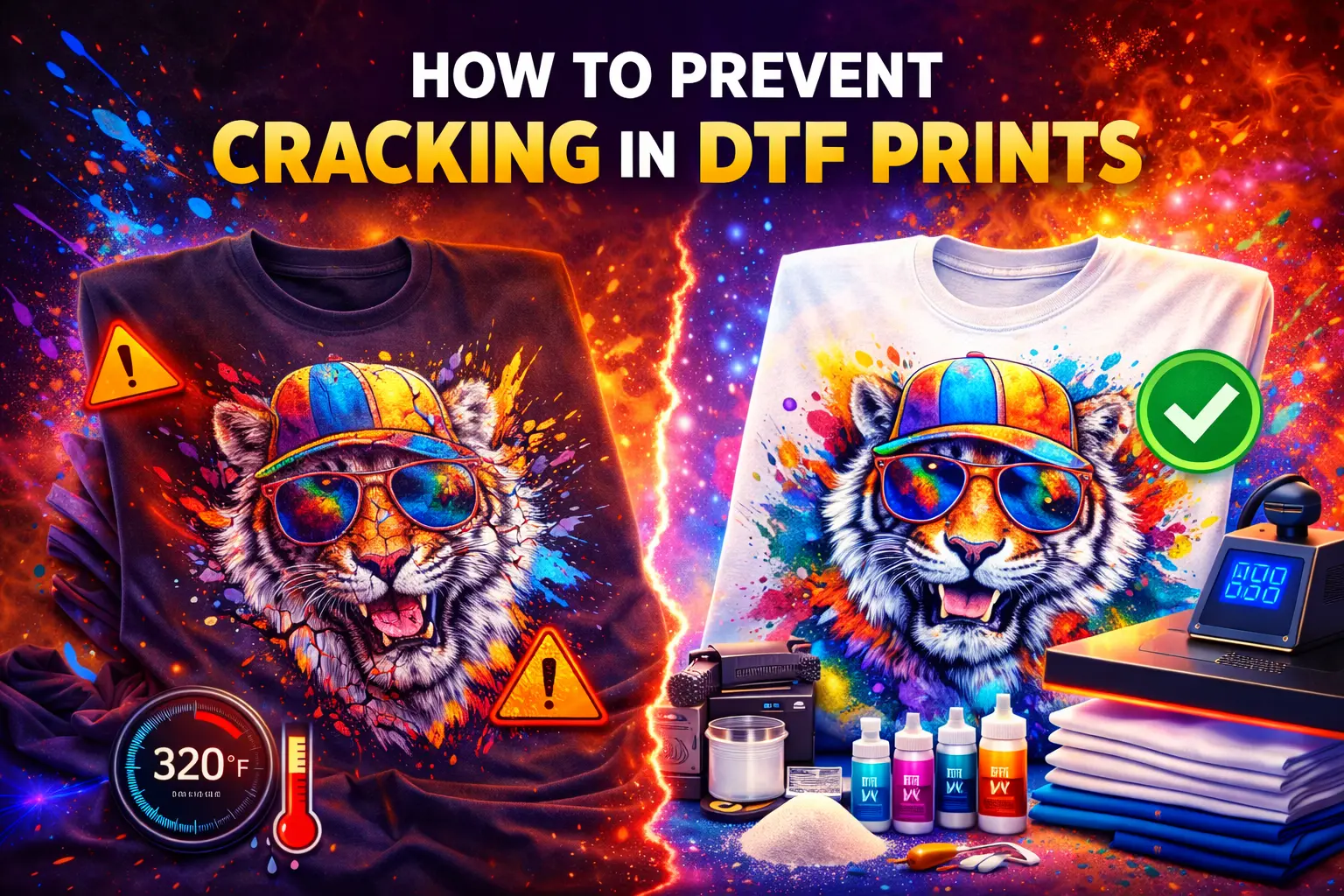
DTF cracking happens when the print film splits or breaks after pressing or washing. You may see fine lines across the design or edges lifting. This usually shows after the first wash or when the fabric stretches. Cracking is different from fading. It is also different from peeling. Cracking means the print lost flexibility. For durable DTF printing, flexibility matters more than thickness.
Why does DTF print a crack in the first place?
Before fixing the issue, you need to understand the cause. In most cases, cracking comes from one or more of these problems:
- Wrong heat press settings
- Poor-quality film or ink
- Over-curing adhesive powder
- Pressing on low-quality fabric
- Stretching the garment too soon
- No post-press
- Wrong washing method
Each point matters. Ignore one, and the print suffers.
Choose quality film and ink from the start.
Cracking often starts before the press even turns on. Cheap film looks fine at first, but it lacks flexibility. When the garment moves, the film cannot move with it. The result is cracks. I always advise customers to use tested film made for flexible DTF prints. At Wise DTF Prints, we use film that bends without stress lines. If you print at home or order transfers, make sure the supplier focuses on flexibility rather than just colour.
You can explore reliable options at our DTF transfer shop, where we stock film tested for daily wear.
Use the correct adhesive powder and curing method.
Too much powder is one of the biggest mistakes I see. Heavy powder makes the print stiff. A stiff print will crack. Always apply an even layer, then shake off excess powder. Curing also matters. If you over-cure the powder, it turns hard. That hardness reduces stretch.
Here is what works best:
- Cure at the correct temperature only
- Do not extend the curing time
- Check the powder melt, not the timer
This simple step improves DTF print durability tips more than most people realise.
Set your heat press properly.
Heat press settings play a significant role in preventing heat-transfer cracking. Wrong heat or pressure can damage the adhesive layer. Too much pressure flattens the print. Too little pressure weakens bonding.
From my experience, follow these rules:
- Use medium, even pressure
- Press at the temperature recommended for your film
- Press for the exact time, not longer
If you press longer “just to be safe”, you risk cracking later.
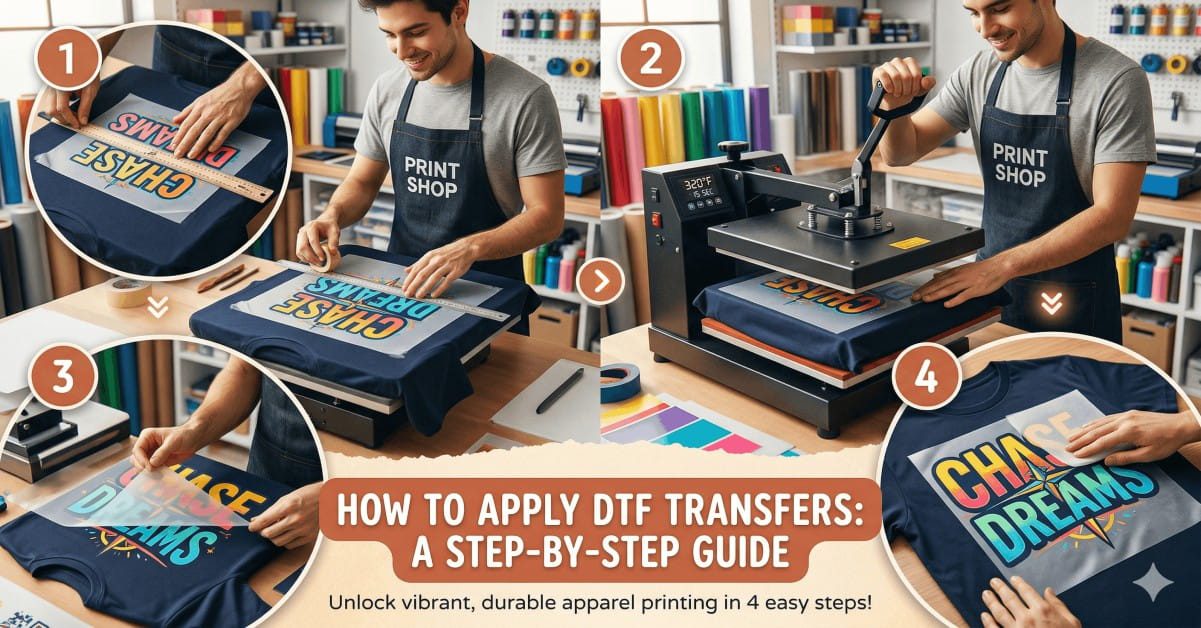
Always do a second press.
Skipping the second press is a standard shortcut. It also causes cracks. A short second press helps the adhesive settle into the fabric. It improves stretch and wash resistance.
I suggest:
- Cover the print with parchment or Teflon
- Press again for 5 to 8 seconds
- Use the same pressure
This step alone improves the longevity of DTF prints.
Let the garment cool before stretching.
This step is simple, yet many ignore it. Never stretch or fold the garment while it is hot. Heat makes the adhesive soft. Movement at this stage weakens bonding. Let the garment cool fully. Then test stretch gently. This helps avoid peeling and cracking over time.
Choose the right fabric.
Not all fabrics behave the same. Thin, cheap cotton or loose knits stretch too much. When fabric stretches beyond the print’s limit, cracks appear.
DTF works best on:
- Quality cotton
- Cotton blends
- Stable polyester
If you sell prints, guide your customers on fabric choice. It saves returns and complaints.
Washing rules that protect DTF prints
Many cracks appear after washing, not pressing. Always share washing care with customers. I do this with every order.
Here are simple DTF print maintenance rules:
- Wash inside out
- Use cold water
- Avoid strong detergent
- No tumble drying
- Air dry only
These steps protect the adhesive and colour.
Why flexible prints matter for daily wear
A DTF print should move with the fabric. That is the goal. When a print stretches and returns without damage, you get true, durable DTF printing. This is what customers expect. If your prints feel stiff, cracking will follow.
At Wise DTF Prints, flexibility testing is part of our process. We bend, stretch, and wash test before offering products. For example, our A4 DTF transfer sheets are popular because they balance colour and stretch.
Common mistakes I see in new DTF users
Let me be honest here. These mistakes cause most cracking issues:
- Using random press settings from forums
- Mixing powders and films from different brands
- Over-curing “to be safe.”
- Pressing too hard
- Skipping post-press
- Rushing production
DTF rewards patience and consistency.
Professional solution for long-term results
If you want a reliable DTF print cracking solution, consistency is key.
That means:
- Same film
- Same powder
- Same press settings
- Same fabric quality
This reduces variables and improves results.
Many UK businesses choose ready-made transfers instead of printing in-house. It saves time and avoids mistakes. You can explore our custom DTF transfers if you want consistent results without setup issues.
Bulk printing and cracking control
Large orders increase risk if settings drift.
For bulk work, always:
- Test press one garment
- Wash test before full run
- Check the stretch after cooling
This approach protects quality and customer trust. For high-volume needs, many clients use our wholesale DTF transfers to maintain consistent results.
How I test prints before shipping
At Wise DTF Prints, I do three simple tests:
- Stretch test after cooling
- Wash test after 24 hours
- Edge lift check
If a print passes all three, it lasts. This is how we maintain trust and reduce complaints.
Cracking vs peeling: know the difference.
Cracking breaks the print surface. Peeling lifts the print from the fabric. Both come from weak bonding or stiffness. Fix the root cause, and both problems reduce. Focus on flexibility and bonding, not thickness.
Final thoughts from my experience
DTF is strong when done right. Cracking is not a flaw of DTF. It is a process issue.
If you:
- Use quality materials
- Control heat and pressure
- Allow cooling
- Educate customers
You will see long-lasting results.
I hope this guide helps you improve print quality and confidence. If you treat DTF with care, it rewards you with clean, flexible, and long-lasting prints.
Read more: How to Build Custom DTF Gang Sheets.
Frequently Asked Questions (FAQs)
1. Why do DTF prints crack more on hoodies and stretch clothing?
Hoodies and stretch clothes move a lot. If the print cannot stretch with the fabric, it cracks. This happens when the film or powder is too stiff. Flexible film and a second press help reduce cracking.
2. Can curing DTF powder for too long cause cracking?
Yes, it can. When powder cures for too long, it becomes hard. Hard prints do not bend well. Even with correct press heat, over-curing can cause cracks after washing or wear.
3. Does washing a DTF print too soon cause cracking?
Yes. Washing too soon weakens the print bond. The glue needs time to settle into the fabric. Always wait at least 24 hours before washing to help the print last longer.
4. Why do some DTF prints crack after a few washes, not right away?
This happens when bonding is weak but not entirely failed. The print looks fine at first. After washing and stretching, small cracks appear. Correct pressure, curing, and post-press help prevent this.