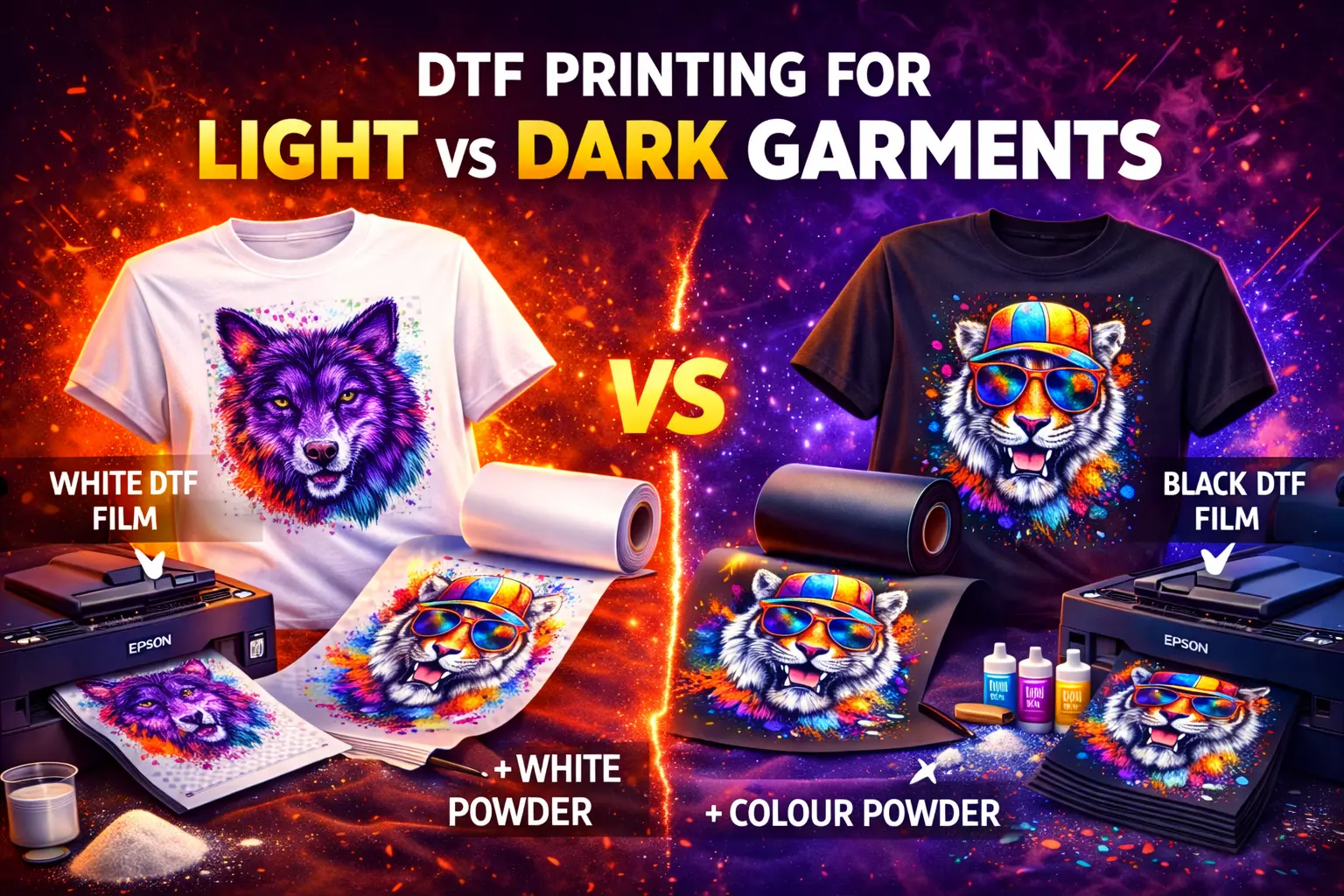
DTF Printing for Light vs Dark Garments
DTF printing has changed how many of us handle custom apparel printing in the UK. At Wise DTF Prints, I
DTF printing has changed how many of us handle custom apparel printing in the UK. At Wise DTF Prints, I see this shift every single day through real customer orders. I work with DTF transfers every day, and clients often ask a straightforward question. Does DTF work the same on light and dark clothing? The short answer is no. The process stays the same, but the results depend heavily on garment colour, ink setup, and how you press the design.
In this guide, I will explain DTF printing for light vs dark garments in plain English. I will share what I have learned from real print jobs, not theory. By the end, you will know what works best, what mistakes to avoid, and how to get clean, sharp prints on any fabric colour.
DTF stands for Direct to Film. We print a design onto a transfer film, apply powder adhesive, cure it, and then press it onto clothing. This method works on cotton, polyester, blends, and more. That broad fabric compatibility is why DTF has grown so fast.
Garment colour plays a huge role in the final results. Light fabrics reflect light. Dark fabrics absorb it. This affects colour visibility on garments, print opacity, and background contrast. If you ignore fabric colour, even a good design can look flat or dull.
DTF printing on light fabrics is usually more forgiving. White, beige, pastel, and soft grey garments allow colours to show clearly with less effort.
Why Light Fabrics Are Easier
Light clothing already has high background contrast. Because of this, colours stay clean and sharp. You still use white ink underbase, but it doesn’t work as well on dark fabric.
Key benefits include:
Custom DTF transfers for light clothing often need less ink layering. This helps keep prints flexible and soft to the touch.
I often suggest light fabrics for:
These jobs need bright colours, clean lines, and easy heat press application.
DTF printing on dark fabrics needs more control and experience. Black, navy, deep green, and red garments absorb light. Without the proper setup, colours can disappear.
On dark garments, the white ink underbase becomes critical. It acts as a base layer that blocks the fabric colour. Without it, colours look dull or muddy.
I adjust white ink levels based on garment colour. Too little white causes weak colour vibrancy. Too much white makes prints thick and stiff.
This balance controls:
Heat transfer on dark garments needs careful pressing. Time, pressure, and heat must stay consistent. Too much heat can scorch the fabric or affect ink bonding.
I always test before full production. One test press can save a whole batch.
Here is how both options compare in real work situations.
Colour Visibility on Garments
Light fabrics allow colours to pop naturally. Dark fabrics depend on strong white ink support.
Ink Layering Needs
Print Feel
Light garments often feel softer after pressing. Dark fabric printing techniques require more ink, which adds thickness.
Design Complexity
Fine lines and soft shades work better on light fabric. Bold designs suit dark garments.
Transfer film printing quality affects both light and dark garments. Film texture, coating quality, and powder adhesion all matter.
I use consistent film types for most jobs. For large designs or gang sheets, roll film works best. For logos or single prints, sheet film offers better control.
If you want reliable results, you can check ready options like the shop page.
Heat press application makes or breaks DTF prints. I follow the same base steps but adjust the pressure slightly for dark garments.
General Pressing Tips
Extra Care for Dark Fabrics
These steps help improve print clarity and reduce edge lifting.
A client once ordered black hoodies with yellow text. The first test looked flat. I increased the white underbase and adjusted the curing time. The final print looked sharp and bright.
Another job involved white t-shirts with pastel designs. I reduced ink layering and used lower pressure. The prints stayed soft and clean after washing.
These small changes matter. There is no single setup for every garment colour.
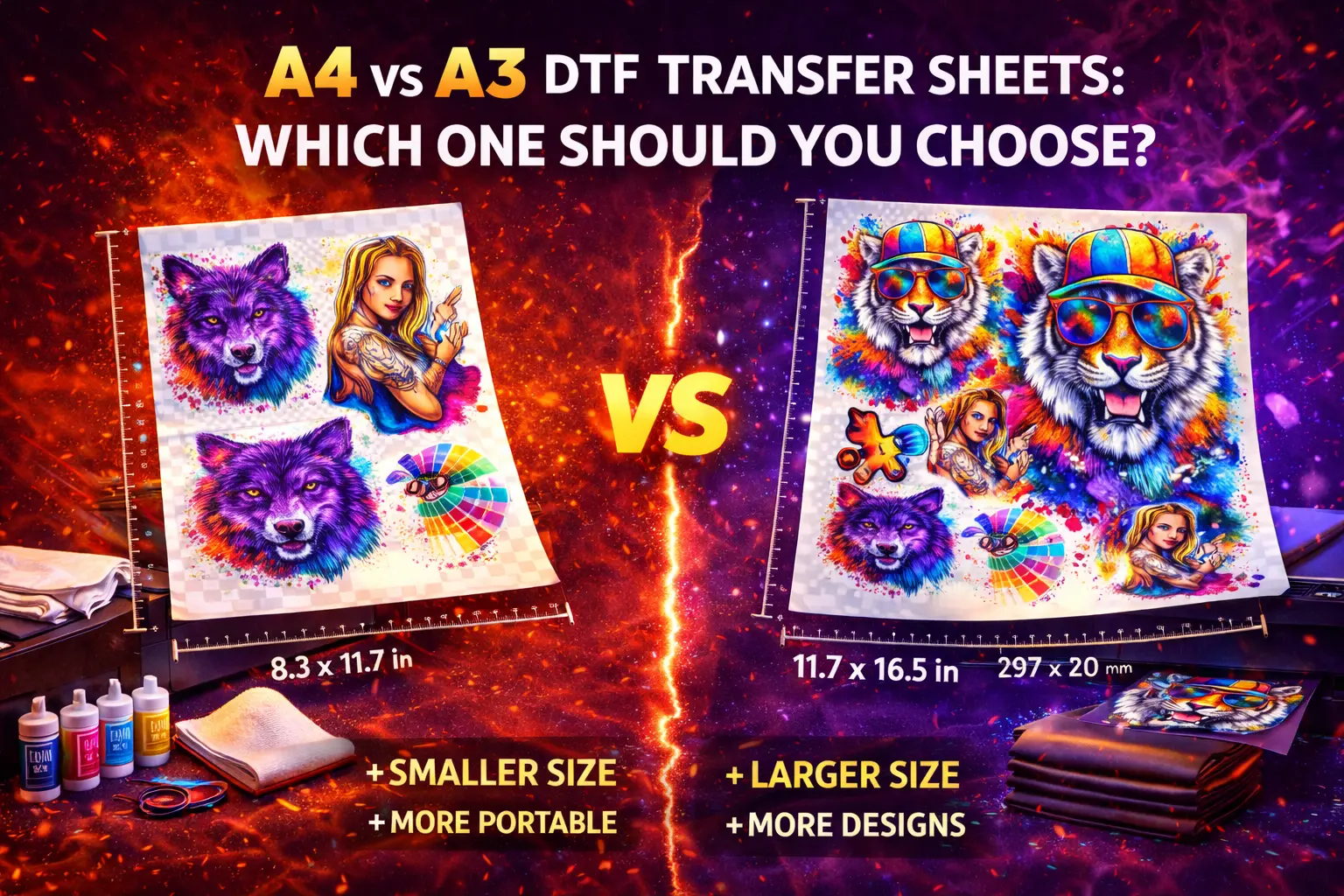
Choosing the right transfer size and format helps with both light and dark garments. For small runs, A4 or A3 sheets work well. For bulk jobs, rolls save time.
You can explore options like custom DTF gang sheets here: many printers prefer to build your own DTF gang sheets to save time and keep layouts consistent.
For regular orders, many UK printers use ready transfer rolls for speed and cost control.
DTF works on most fabrics, but results still vary. Cotton shows colours best. Polyester may need extra care due to heat sensitivity.
Always match the garment colour to the fabric type. Dark polyester, for example, needs lower press heat to avoid shine.
This balance improves background contrast and long-term wear.
Many beginners make the same errors:
Avoid these mistakes, and your success rate will rise fast.
If you want simple, clean results, light garments are easier to work with. If you wish to create bold, high-impact designs, dark clothes work well with the proper setup.
Your choice should depend on:
Both options work well when handled correctly.
I started Wisedtfprints.com to help printers and brands get consistent results. We offer tested DTF transfers for both light and dark garments.
If you want to browse ready options, head to: If you want to order quickly, you can buy DTF transfers online with options suited for both light and dark garments.
DTF printing for light vs dark garments is not about choosing one over the other. It is about understanding how garment colour affects ink, heat, and final look.
Once you respect these basics, DTF becomes reliable and repeatable. If you ever feel unsure, test first. That single step saves time, money, and stress.
If you need help or want advice based on your job, you know where to find me. I work with this process every day, and I am always happy to share what works.
Read more: A4 vs A3 DTF Transfer Sheets
No, the transfer film stays the same, but the print setup changes. For light garments, I use a lighter ink layer because the fabric already supports colour. For dark garments, I increase the white ink underbase to keep colours visible and sharp after pressing. This adjustment makes a clear difference in print opacity and finish.
Light fabrics need less white ink support, so the final print feels thinner and softer. Dark garments require a stronger ink layer to block the fabric colour, which adds thickness. This is normal and does not affect durability if the heat press application is done correctly.
I do not recommend that. Light garments usually press well with standard pressure and time. Dark garments often need a short pre-press and slightly firmer pressure to help the adhesive bond properly. I always test before full production to avoid lifting or dull colours.

DTF printing has changed how many of us handle custom apparel printing in the UK. At Wise DTF Prints, I
I’m Shumail Ahmed, and I run Wisedtfprints.com. Every week, customers across the UK ask me the same thing. “Should I
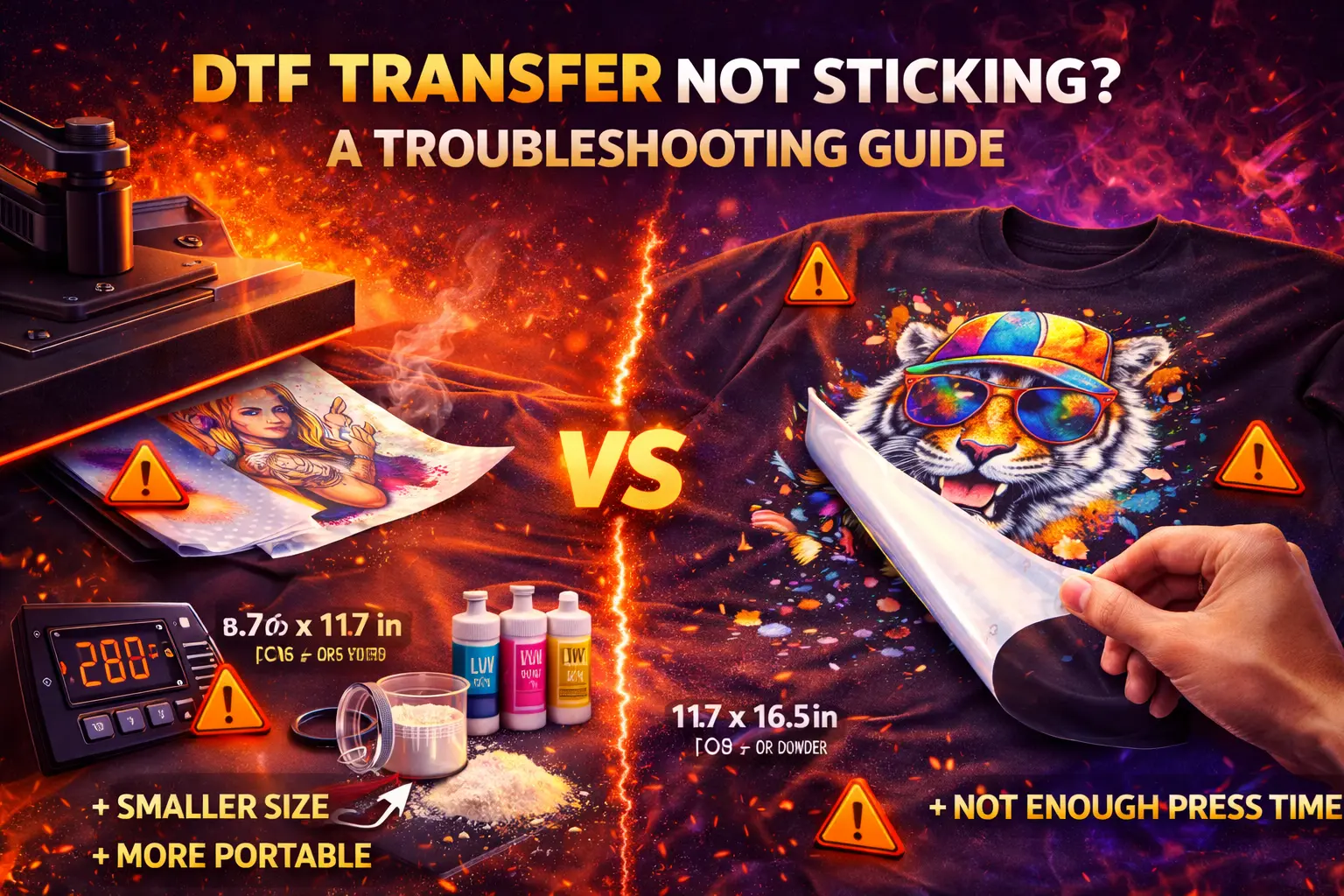
Hi, I am Shumail Ahmed. I work with DTF transfers every single day. I print them. I press them. I
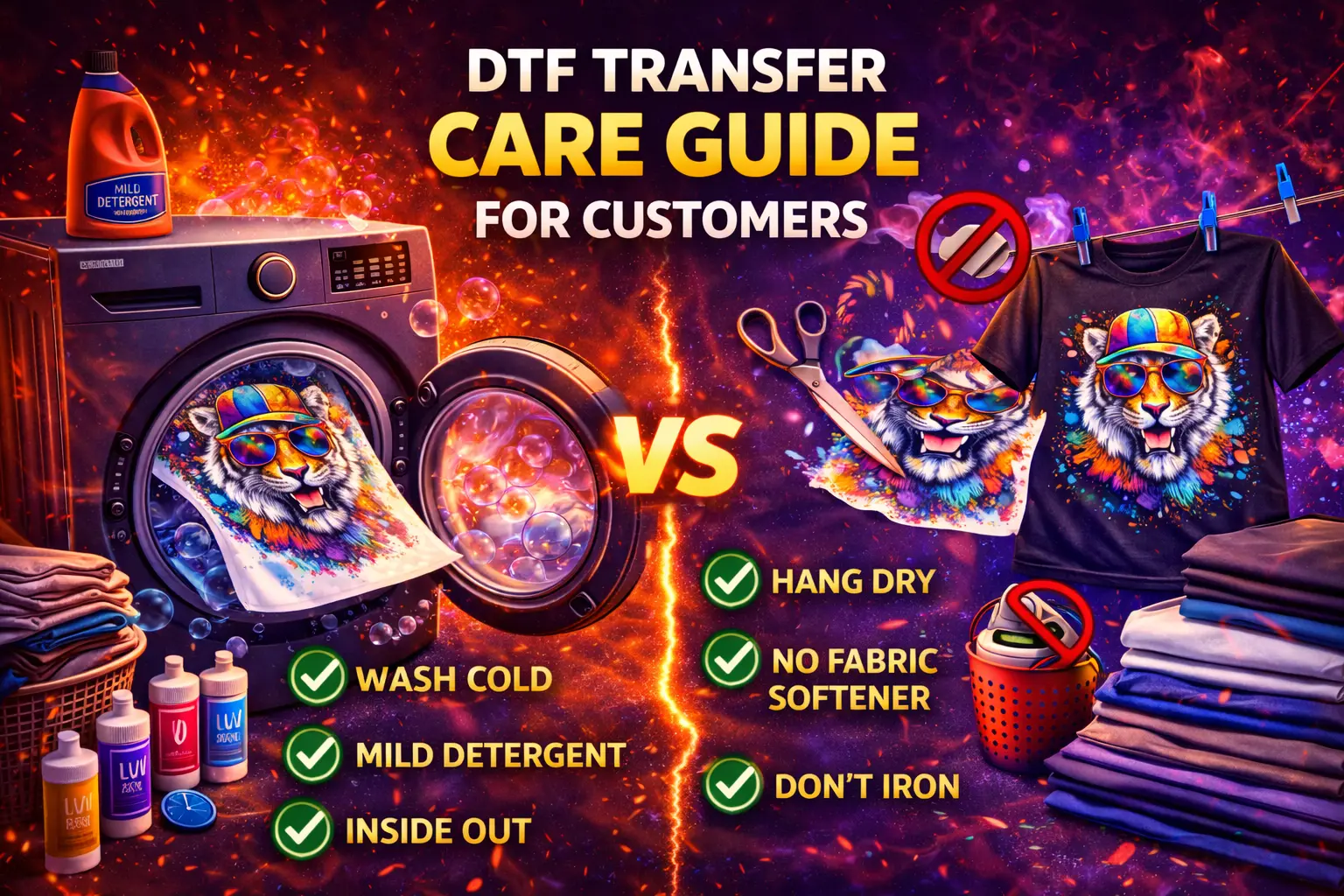
Suppose you buy DTF transfers or wear DTF-printed clothing; proper care matters. Good care keeps prints bright, soft, and strong
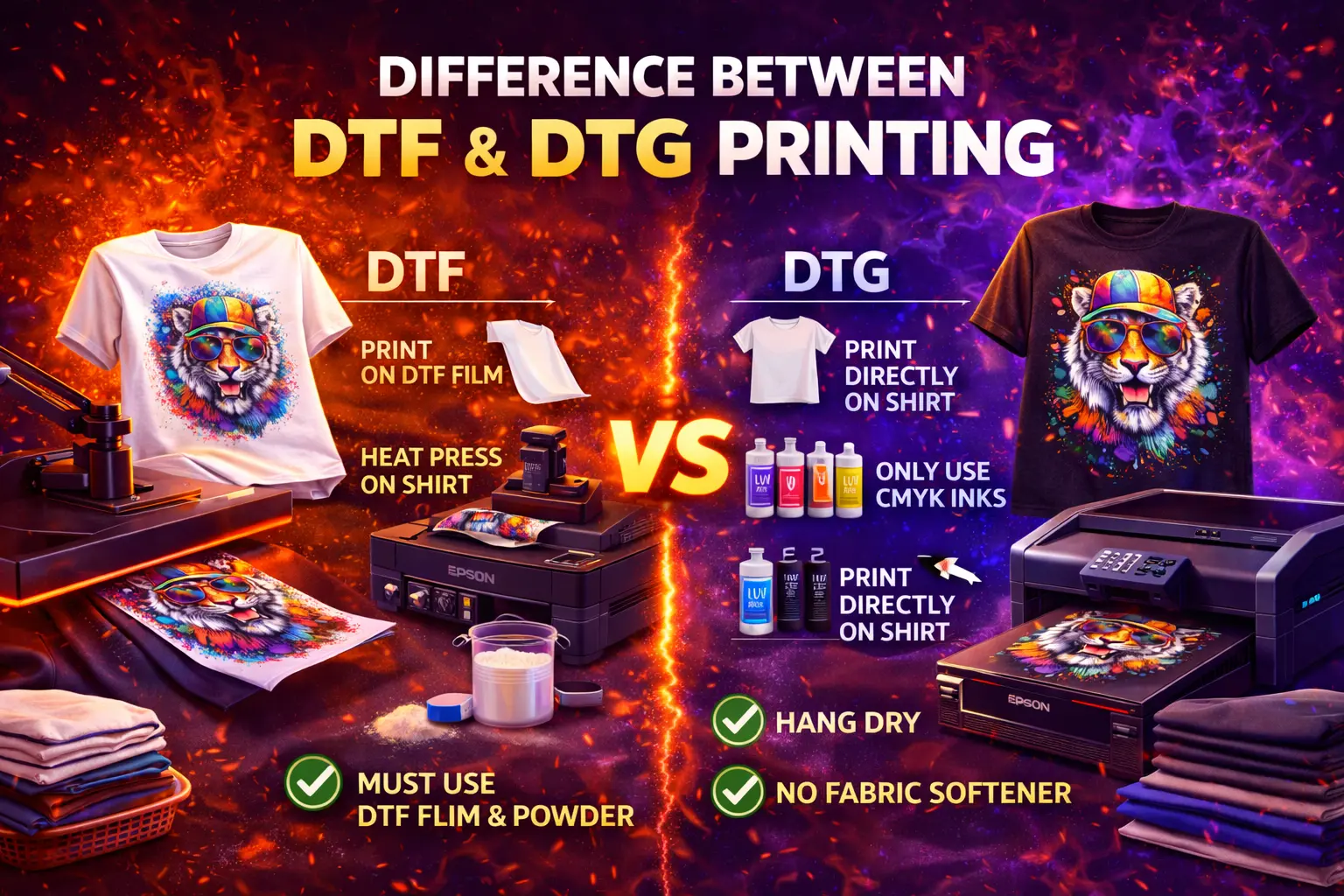
I run Wisedtfprints.com. Every week, people ask me one simple question. What is the real difference between DTF and DTG

My name is Shumail Ahmed, and I run Wisedtfprints.com here in the UK. Every day, I work with DTF transfers